


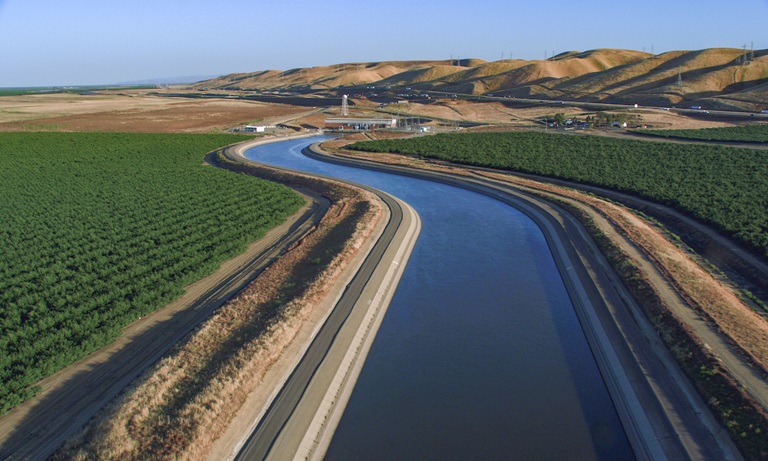
US Rural Clean Water Projects are expanding across rural areas of the United States as federal and state governments invest in safer and more reliable water systems. Many small towns and farming communities are getting upgrades to replace aging pipes and treatment facilities. These efforts aim to reduce contamination risks and improve long-term water quality for residents.
Officials say many rural water systems are decades old and in urgent need of repair. Old pipes can leak or break, which increases the risk of contamination. Some systems also struggle to meet modern safety standards. New investments are helping fix these long-standing problems.
US Rural Clean Water Projects include rebuilding water treatment plants and upgrading distribution networks. These improvements help ensure cleaner drinking water for households, schools, and farms. Engineers are also installing modern monitoring systems to detect issues early. This helps prevent unsafe water from reaching communities.
Experts say clean water access is essential for public health. Unsafe water can lead to serious health problems. Improved systems reduce the risk of harmful bacteria and chemical contamination. This is especially important in rural areas with limited healthcare access.
Many rural regions depend on groundwater and small local water systems. These systems are more vulnerable to pollution and aging infrastructure issues. Upgrading them helps protect long-term water supply stability.
Federal funding programs are supporting these upgrades across multiple states. State governments are also contributing resources to match investments. This combined effort is speeding up project development in many areas.
US Rural Clean Water Projects are also creating local jobs. Construction workers, engineers, and technicians are needed to build and maintain new systems. This supports rural economies while improving infrastructure.
Some projects focus on replacing lead pipes and outdated materials. Lead contamination is a major concern in older systems. Removing these pipes helps improve drinking water safety for families and children.
Water experts say modern systems are more efficient and easier to manage. Smart sensors can track water pressure, leaks, and quality in real time. This allows faster response when problems occur.
Climate change is also affecting rural water systems. Droughts and floods can damage infrastructure and reduce water quality. New systems are being designed to handle extreme weather conditions better.
Agricultural communities also benefit from improved water systems. Clean and stable water supply is important for irrigation and livestock. Better infrastructure supports farm productivity and food safety.
Some rural areas still face delays due to funding gaps or construction challenges. Remote locations can make projects more difficult and costly. However, long-term plans aim to cover more regions gradually.
Public health officials say improved water systems will reduce disease risks over time. Clean water is one of the most important factors for healthy communities.
US Rural Clean Water Projects also focus on sustainability. New systems are designed to reduce water loss and improve efficiency. This helps conserve resources in areas with limited supply.
Community involvement is also part of many projects. Local residents often participate in planning and decision-making. This helps ensure that upgrades meet local needs.
Experts say the overall goal is to build a safer and more reliable water future for rural America. Strong infrastructure is seen as essential for long-term development and quality of life.
As projects continue, more rural communities are expected to gain access to improved water systems. The expansion marks a major step toward modernizing essential infrastructure across the country.
