


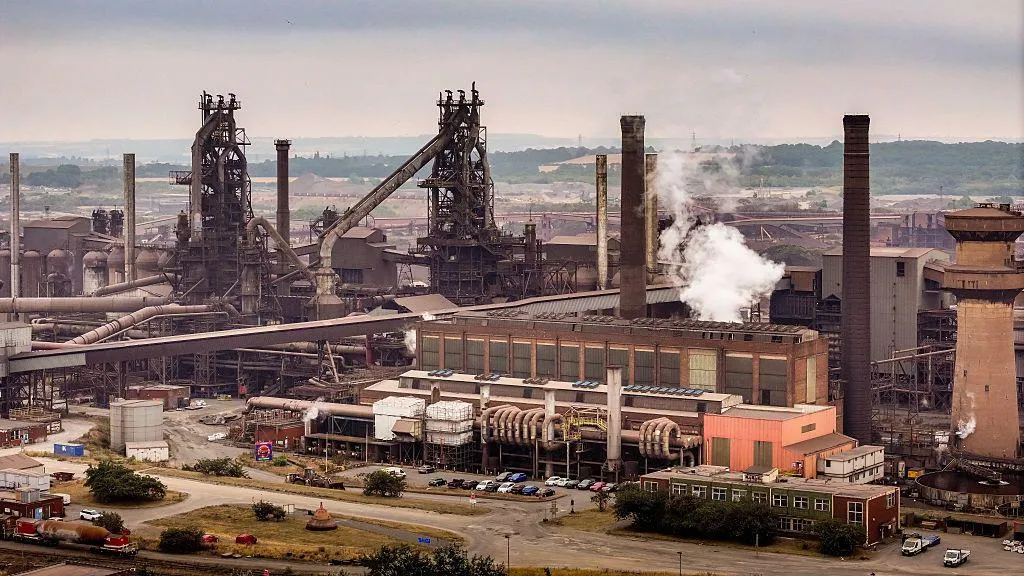
China has criticized the United Kingdom’s decision to nationalise British Steel, saying the move unfairly affects the interests of Chinese company Jingye Group, the steelmaker’s former owner. The dispute adds new pressure to economic relations between the two countries as the UK government moves ahead with plans to keep domestic steel production operating.
The UK government confirmed that British Steel will become publicly owned after Parliament approved legislation allowing the takeover under public interest provisions. Officials said the decision was made to protect jobs, secure the future of steel production, and preserve an industry considered important to the country’s economy and national infrastructure.
British Steel’s operations in Scunthorpe had already been under government control since last year, although ownership remained with Jingye Group. That arrangement limited the government’s ability to make long-term decisions about the company’s future.
By bringing the business fully into public ownership, ministers now have greater authority to manage operations and decide how the steelworks will be developed in the coming years.
China’s Ministry of Commerce strongly criticized the move in a statement released on Friday. The ministry said the nationalisation seriously harmed Jingye Group’s legal rights and could reduce confidence among Chinese companies investing in the United Kingdom.
Chinese officials also called on Britain to honor its commitments under the China–UK Bilateral Investment Treaty. The ministry argued that the UK had taken control of the company while citing national security concerns and failed to recognize Jingye’s contribution to the British economy.
The statement added that China would continue monitoring developments and support Chinese businesses in protecting their legal interests. However, officials did not explain what specific actions might be taken.
The dispute comes at a sensitive time for relations between London and Beijing. The new British government is expected to balance national economic priorities with maintaining trade and investment ties with China, one of the world’s largest economies.
British Steel has faced financial challenges for several years. Jingye previously stated that the company had been losing approximately £700,000 each day while attempting to keep operations running.
Following the nationalisation, Jingye is expected to seek compensation for the takeover. The company has not publicly commented on the latest announcement.
The UK government said public ownership will allow blast furnace operations to continue while longer-term decisions are made about the future of the business. Officials believe maintaining steel production is important for industrial capacity, employment, and supply chain security.
Although the government has taken control of the company, ministers have indicated they do not expect to remain permanent owners. Running the business continues to require significant financial support from public funds.
Earlier this year, the National Audit Office reported that the Scunthorpe steelworks was costing the government around £1.3 million each day to operate.
Business Secretary Peter Kyle said the government will continue covering operating costs for the immediate future while work continues on a long-term strategy for the business.
Industry experts say the future of British Steel will depend on investment decisions, market conditions, and the ability to modernize production while remaining competitive. Public ownership gives the government greater flexibility to make those decisions but also increases financial responsibility.
The latest disagreement highlights broader questions about foreign investment, industrial policy, and economic security. Governments in several countries have increased scrutiny of strategic industries in recent years, particularly sectors considered important for national resilience.
As the nationalisation process moves forward, attention will focus on negotiations involving compensation, the future of the Scunthorpe plant, and the wider relationship between the United Kingdom and China. Both governments are expected to continue discussions as they seek to manage the economic and diplomatic impact of the decision.
