


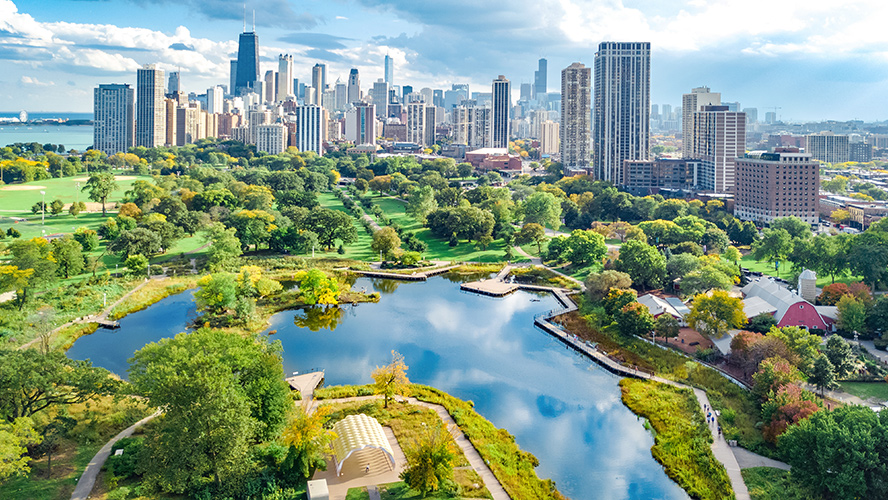
A major U.S. city has unveiled a forward-looking biodiversity plan aimed at integrating nature into everyday urban life. The report emphasizes creating wild spaces in every neighborhood to boost ecological health, community well-being, and resilience.
The plan highlights the benefits of connecting urban residents with nature. Access to green spaces supports physical and mental health, encourages outdoor activity, and fosters stronger community ties. By making nature accessible, the initiative ensures environmental benefits reach everyone.
Central to the strategy is the integration of ecology, public health, and urban planning. By designing city infrastructure around green corridors, parks, and pollinator habitats, the plan seeks to balance urban growth with ecological sustainability.
Experts note that urban biodiversity contributes to cleaner air, reduced urban heat islands, and improved stormwater management. These natural solutions enhance the livability of cities while protecting wildlife and supporting ecological networks within urban areas.
Pollinator habitats, native plantings, and community gardens are key elements of the plan. They encourage biodiversity, support local ecosystems, and provide educational opportunities for residents to engage with nature directly.
The initiative also prioritizes equitable access to green space. Ensuring that all neighborhoods have nearby natural areas addresses disparities in environmental quality and supports inclusive community development.
By embedding nature into the urban environment, the city moves beyond traditional conservation efforts, which often focus on wilderness areas. This approach recognizes that cities can be critical sites for biodiversity protection while enhancing the quality of life for residents.
Community engagement is another major focus. Residents are encouraged to participate in planting initiatives, habitat restoration, and educational programs. Local involvement strengthens stewardship and ensures that biodiversity projects reflect community needs.
The plan aligns with broader trends in urban ecology, where cities worldwide are seeking to create more sustainable, resilient, and livable spaces. Urban biodiversity initiatives help cities adapt to climate change, promote mental health, and foster stronger social connections.
Partnerships with local organizations, schools, and businesses are central to implementing the plan. Collaborative efforts ensure that ecological benefits are maximized, green spaces are maintained, and residents remain active participants in environmental stewardship.
The city’s biodiversity plan also demonstrates the value of nature-based infrastructure. Green streets, rooftop gardens, and restored wetlands provide ecosystem services such as water filtration, carbon absorption, and temperature regulation, all while enriching daily urban life.
Overall, the plan marks a significant step in making nature a visible and integral part of city life. By linking ecology, health, and community well-being, it sets a model for urban centers seeking sustainable solutions that benefit both people and the environment.
The initiative illustrates that urban areas can play a major role in biodiversity conservation. Integrating wild nature into neighborhoods ensures that environmental protection is not confined to remote areas but becomes part of daily life for all residents.
This innovative approach positions the city as a leader in urban sustainability. Its focus on accessibility, health, and ecological resilience provides a blueprint for other cities aiming to enhance quality of life through nature-based solutions.
