


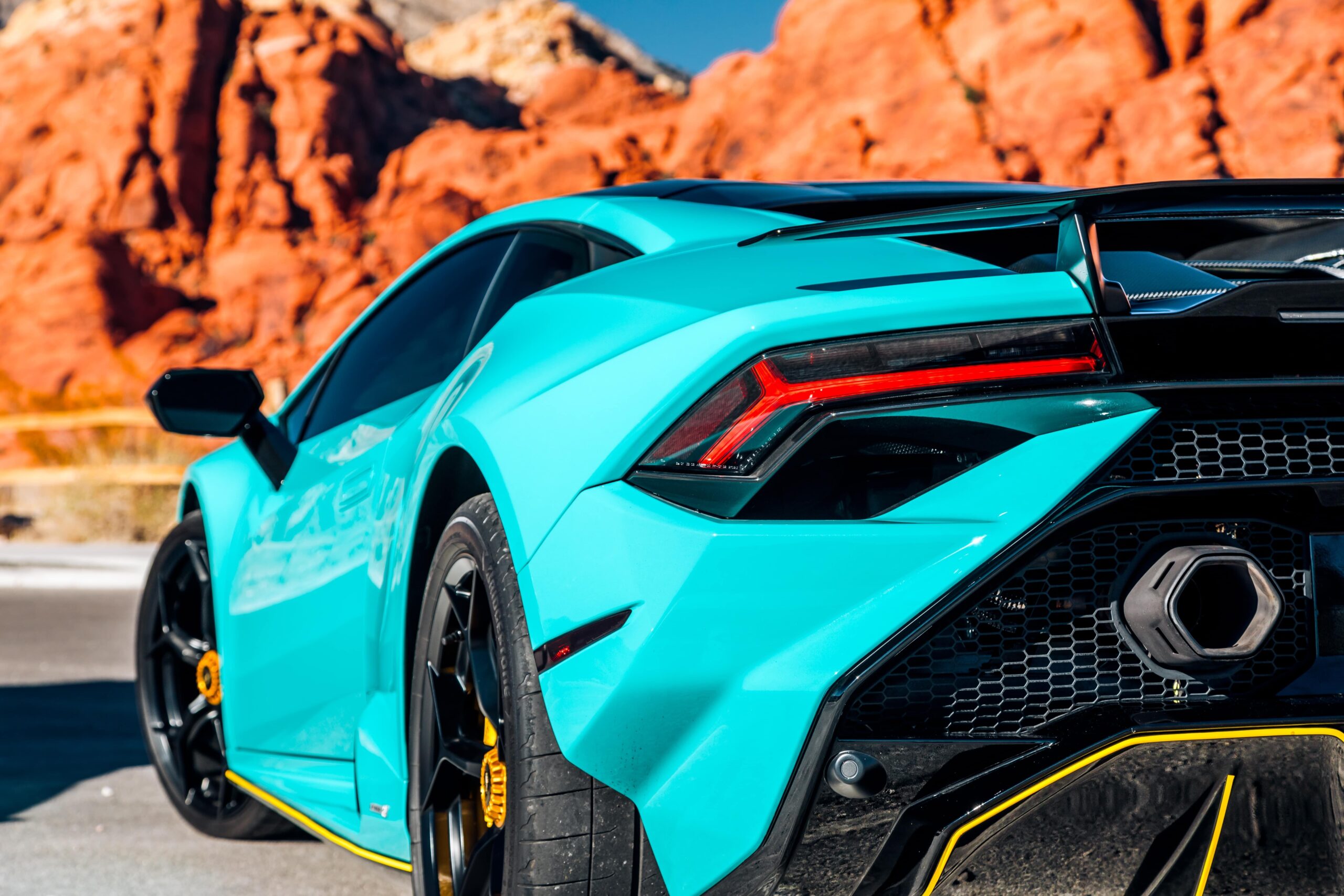
Lamborghini’s chief executive says the brand’s loyal drivers still crave the thrill, emotion, and sound of petrol engines. The Italian supercar maker plans to keep them for at least another decade.
Hybrid power takes priority
At Lamborghini’s London showroom, CEO Stephan Winkelmann said interest in electric cars is waning. He believes this creates an opening for the brand to focus on hybrid performance instead of going fully electric.
Lamborghini will soon decide whether its long-awaited Lanzador will be a fully electric grand tourer or a plug-in hybrid. Winkelmann said the company remains socially responsible but added that, as a small producer, its environmental impact is limited.
Performance icons built for passion
Lamborghini, part of the Volkswagen Group, currently offers three main models. The Temerario and Revuelto are plug-in hybrid supercars combining mighty petrol engines with electric motors. They can drive short distances in electric mode but are designed mainly for power and performance.
The Urus, Lamborghini’s luxury SUV, is available as both a plug-in hybrid and a petrol-powered version. It may be more restrained than the supercars, but it makes up more than half of the company’s global sales.
For collectors, the Fenomeno stands at the top of exclusivity. This limited-edition model reaches over 215 mph, with only 30 units being produced. Each costs at least €3 million before taxes.
Electric ambitions lose momentum
Two years ago, Lamborghini announced plans for an all-electric successor to the Urus, expected by 2029. That project has now been pushed back, with a launch unlikely before 2035.
The future of the Lanzador also hangs in the balance. Winkelmann said Lamborghini is re-evaluating whether the model will go fully electric or adopt hybrid power.
He pointed to fading excitement among high-end buyers. “Today, enthusiasm for electric cars is going down,” he said. “We see a great opportunity to keep internal combustion engines and batteries working together much longer than expected.”
Emotion before innovation
Winkelmann believes that the emotional bond between driver and engine remains at the core of Lamborghini’s identity. “Our customers still want the sound, vibration, and excitement of a combustion engine,” he said.
This direction separates Lamborghini from its rival Ferrari, which plans to unveil its first fully electric model, the Elettrica, next year. Ferrari promises that its new car will carry the same passion and spirit as its petrol predecessors — but without the sound.
Responsibility with realism
Winkelmann said Lamborghini takes environmental concerns seriously but recognises its limited role in global emissions. “We sell 10,000 cars in a world that produces 80 million a year, so our CO₂ impact is small,” he said.
He added, “We act responsibly, but our influence is minor.”
From 2035, both the EU and the UK plan to ban new petrol and diesel cars, including plug-in hybrids. Some manufacturers are urging regulators to allow more time for the transition, citing economic and industrial challenges.
If the deadline is delayed, combustion engines could remain in production beyond 2035. The UK will still allow low-volume carmakers producing fewer than 2,500 vehicles annually to continue. Lamborghini, which sold 795 cars in the UK last year, qualifies under that exemption.
