


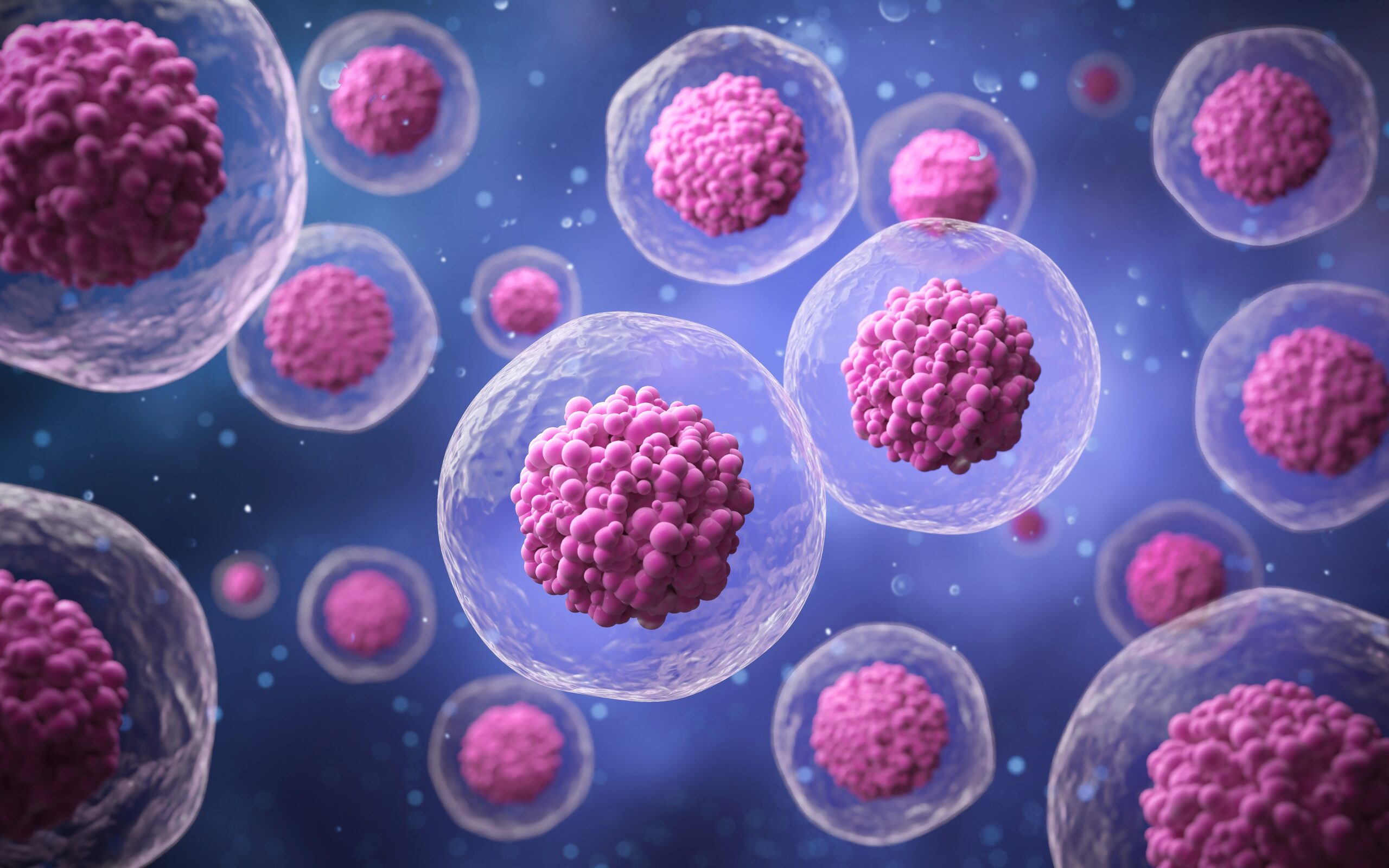
Scientists have successfully grown embryo-like structures in the lab that produced human blood cells, marking a major advance for regenerative medicine. The development could eventually allow doctors to create blood stem cells from a patient’s own tissues, reducing the need for donor bone marrow transplants.
Researchers at the University of Cambridge’s Gurdon Institute used human stem cells to mimic natural embryonic development without using eggs or sperm. “It was an exciting moment when the blood-red colour appeared in the dish – it was visible even to the naked eye,” said Dr Jitesh Neupane, the study’s lead author.
The model recreates key early stages of human growth, including the formation of three germ layers and beating heart cells by day eight. By day 13, researchers observed clusters of developing blood cells capable of differentiating into red and white blood cells.
Unlike previous methods, this approach does not rely on added proteins but instead mimics natural self-organisation. Senior author Prof Azim Surani said the work “marks a significant step towards future regenerative therapies – using a patient’s own cells to repair and regenerate damaged tissues.”
The structures were engineered to exclude placental and brain-forming tissues, ensuring they could not develop into a viable embryo. The research provides crucial insights into early human blood and heart development and could help model blood diseases such as leukaemia in the lab.
