


The global tourism industry is expected to continue growing over the next several years despite geopolitical tensions and market disruptions affecting parts of the Middle East, according to new research presented by Arabian Travel Market (ATM) and its research partners.
Studies released by STR and Euromonitor International suggest that travel demand remains strong as consumers continue to prioritize holidays and travel experiences. The reports indicate that while recent regional instability has temporarily affected traveler confidence, the long-term outlook for the global tourism sector remains positive.
Researchers believe destinations with modern infrastructure, strong international connections, and continued investment will recover more quickly as market conditions improve.
According to Euromonitor International, travel spending across the Middle East and Africa is expected to increase by 47.7% between 2025 and 2030. The research estimates that this growth could contribute more than $50 billion to the regional economy during that period.
The report, Travel in an Age of Poly-Crisis, found that travel spending worldwide has already moved above pre-pandemic levels. In several markets, tourism spending is growing faster than overall economic output, showing continued consumer interest in travel despite financial pressures.
Researchers identified three major trends expected to shape the future of global tourism.
The first is the continued resilience of travel demand. Instead of canceling trips, many travelers are adjusting their plans by choosing destinations closer to home, booking flexible travel options, and focusing more on memorable experiences.
The report found that experience-based travel continues to outperform traditional tourism spending. Travelers are placing greater value on activities, cultural experiences, and personalized trips rather than simply visiting destinations.
Digital technology is also playing a larger role throughout the travel journey. Travelers increasingly rely on online booking platforms, mobile applications, and digital services to plan and manage their trips.
The second major factor supporting industry recovery is improving traveler confidence.
According to STR, hotel markets across several key Middle Eastern destinations are expected to strengthen as perceptions of safety improve, airline connectivity expands, and destination marketing campaigns attract more visitors.
The research suggests that destinations with diverse visitor markets, established tourism infrastructure, and long-term investment strategies are likely to recover faster than others.
Industry experts believe that strong international flight networks and ongoing investment in hotels and tourism facilities will help accelerate future growth.
The third trend identified in the research is the growing importance of innovation.
Euromonitor said technologies such as artificial intelligence, personalized travel services, predictive customer support, and seamless digital experiences are becoming important competitive advantages for tourism businesses.
Hotels, airlines, and travel companies are increasingly investing in technology that improves customer service while making travel more convenient and efficient.
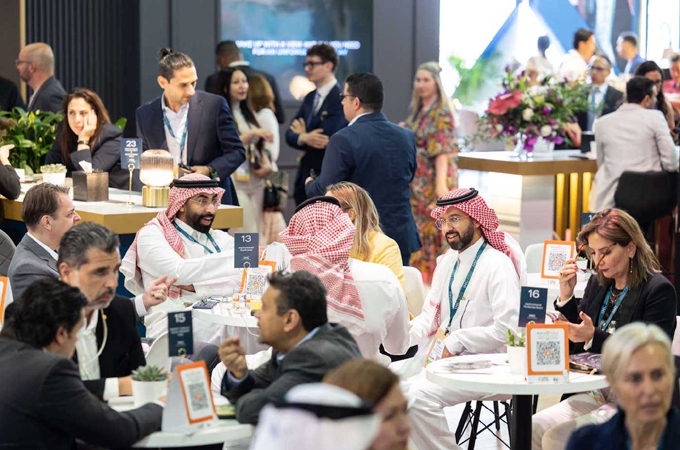
The findings support the theme of Arabian Travel Market 2026, titled Travel 2040: Driving New Frontiers Through Innovation and Technology. The event will examine how new technology, changing consumer expectations, and industry resilience are shaping the future of global tourism.
Research presented during the conference will also explore the impact of inflation, geopolitical uncertainty, and evolving traveler preferences on tourism demand.
Industry leaders are expected to discuss strategies for improving hotel performance, increasing tourism investment, expanding airline connectivity, and strengthening destination marketing.
The event will bring together tourism authorities, airlines, hotel groups, technology companies, investors, and travel professionals from around the world to exchange ideas and identify future opportunities.
Danielle Curtis, Regional Portfolio Director for UAE at RX Global, said recent challenges have encouraged the travel industry to adapt more quickly than expected.
She noted that traveler confidence has changed rather than disappeared, with consumers continuing to make travel a priority while destinations and businesses become more flexible and technology-focused.
Curtis added that Arabian Travel Market aims to provide research, industry insights, and discussion platforms that help businesses and destinations prepare for future growth.
The latest forecasts suggest that although short-term challenges remain in some regions, global tourism is expected to continue expanding through stronger consumer demand, technological innovation, and sustained investment. Industry experts believe these factors will help support long-term growth and create new opportunities across the international travel sector.
