


The Royal Netherlands Navy is expanding its use of advanced technology as it prepares for the future of maritime defense. New trials involving artificial intelligence, drones, and unmanned vessels are helping the navy develop systems that can support military operations while reducing risks for personnel.
The testing program is taking place off the coast of Den Helder in northern Netherlands. The project is led by Captain Sjoerd Feenstra, who heads the navy’s expertise center for unmanned systems. During the five-week exercise, teams are evaluating how autonomous technology can operate together in real-world conditions.
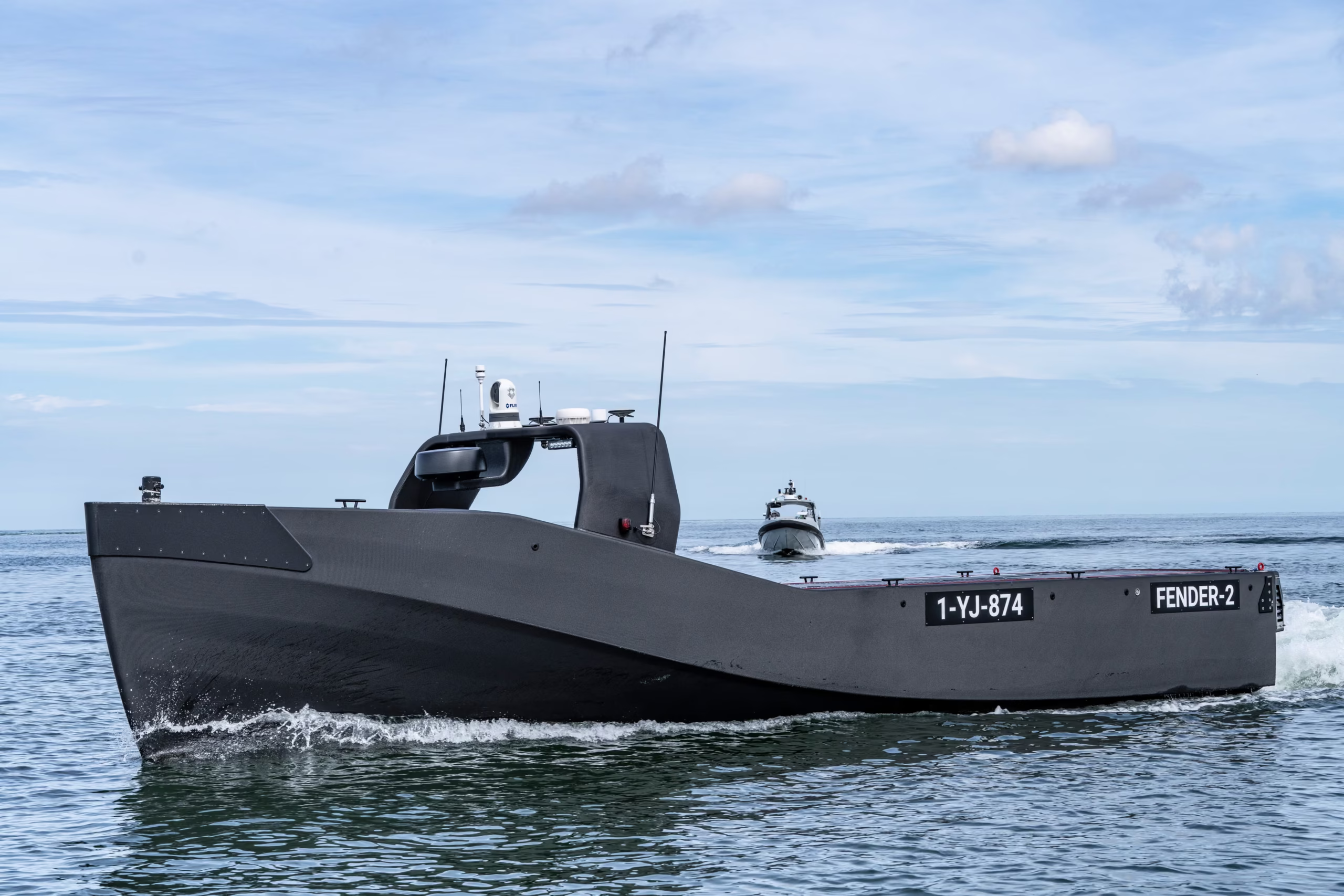
A key part of the trials includes two unmanned surface vessels known as Defender 1 and Defender 2. The boats patrol around a target ship while being controlled remotely through computer systems. They gather information and monitor activity without carrying any crew onboard.
According to Feenstra, the long-term goal is to create naval operations where traditional ships work alongside groups of autonomous systems. He said future naval platforms could be surrounded by unmanned boats, underwater vehicles, and drones that perform many routine tasks independently.
The Dutch government has placed strong emphasis on expanding autonomous defense capabilities. Current plans aim for unmanned systems to handle more than half of certain military operations within the next five years.
The technology being tested includes underwater robotic vehicles, aerial drones, and remotely operated boats. Many of these systems are coordinated through a central platform that allows new equipment to be added as technology continues to improve.
One important testing vessel is the GeoSea ship. Originally used for surveying the seabed around offshore wind farms, it now serves as a mobile base for evaluating new military technologies.
Among the equipment being tested are lightweight Noa drones, unmanned Defender boats, and underwater robotic systems capable of mapping mines beneath the sea. Engineers designed the testing platform so different robotic systems can be integrated without major modifications.
Military organizations around the world are increasing investment in unmanned technology. Drones have become an important part of modern military operations, and their use has expanded significantly in recent years.
The Dutch Navy believes autonomous systems can improve both operational efficiency and personnel safety. Many dangerous or repetitive tasks can be assigned to unmanned equipment, allowing sailors to avoid unnecessary exposure to high-risk environments.
Feenstra said reducing danger for service members remains one of the project’s main goals. He also noted that some military duties involve long periods of routine monitoring that can be handled effectively by automated systems.
During the demonstrations, autonomous boats and multiple drones work together to monitor nearby vessels. Each platform collects information from different positions, giving commanders a broader understanding of the surrounding environment.
Artificial intelligence also plays a role in processing large amounts of operational data. However, researchers emphasized that AI remains a support tool rather than a replacement for human judgment.
Software specialists involved in the project warned that artificial intelligence can sometimes produce inaccurate results. Because of that, human operators continue reviewing important decisions before any action is taken.
The Dutch Navy confirmed that autonomous systems will not make independent decisions involving the use of force. Human personnel will remain responsible for critical operational decisions throughout military missions.
Officials also acknowledged that questions surrounding automation and accountability remain important as technology becomes more advanced. The navy continues studying how autonomous systems should be integrated while maintaining clear human oversight.
Defense analysts say the Netherlands has become one of Europe’s leading innovators in naval technology despite operating a relatively small fleet. Experts believe the country’s investments could strengthen security cooperation across the North Sea and Baltic Sea regions.
Researchers also point to workforce shortages as another reason for expanding autonomous systems. While advanced technology still requires skilled engineers and technicians, it may reduce the need for personnel to spend extended periods at sea.
As testing continues, the Dutch Navy hopes its combination of AI, drones, underwater robots, and unmanned vessels will create a more flexible and efficient maritime defense force. The project reflects the growing role of autonomous technology in the future of military operations while keeping human decision-making at the center of critical missions.
