


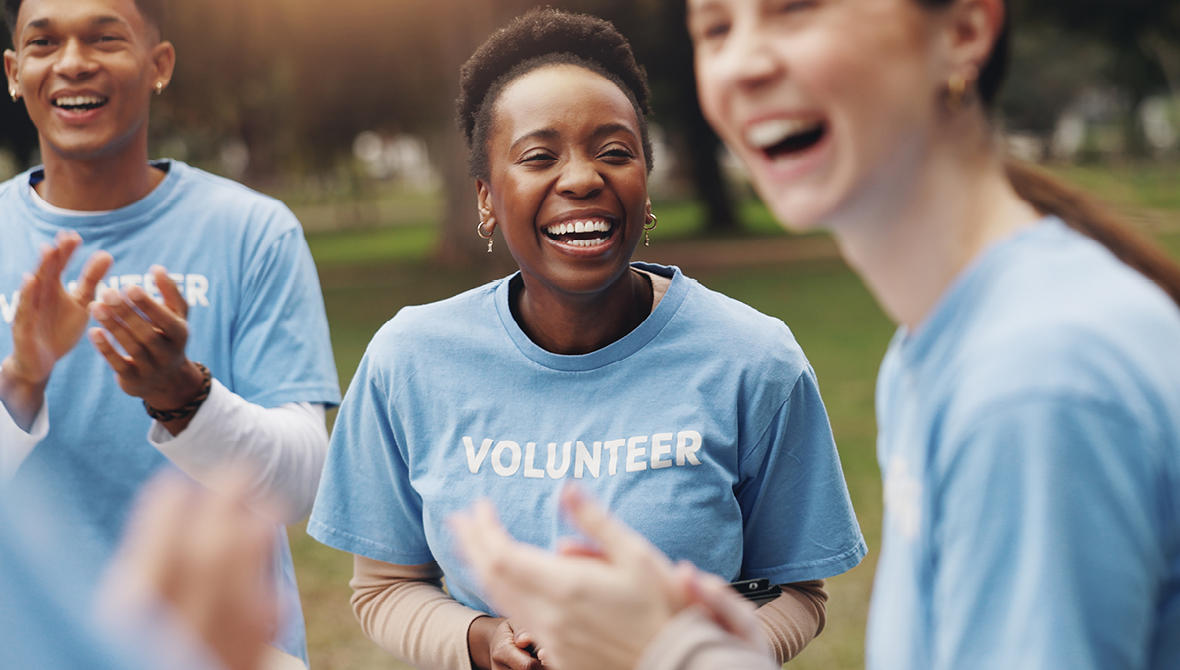
Volunteer engagement is gaining momentum nationwide in 2026, with programs encouraging citizens to get involved in their communities. The push highlights the growing importance of civic participation beyond formal politics.
Officials and community leaders are promoting initiatives designed to include people of all ages and backgrounds. From youth programs to senior volunteer opportunities, the goal is to foster constructive involvement and strengthen social bonds.
Programs emphasize hands-on activities such as food drives, environmental cleanups, tutoring, and neighborhood improvement projects. By participating, volunteers can contribute to tangible changes while building connections within their communities.
Experts say that volunteerism has multiple benefits. It not only addresses community needs but also encourages personal growth, social cohesion, and a sense of purpose. Studies show that people who volunteer regularly report higher levels of satisfaction and civic awareness.
The trend reflects a broader interest in communal action as a form of constructive political participation. Engaging in volunteer work allows citizens to influence their surroundings, support public services, and contribute to local decision-making processes.
Schools and universities have incorporated volunteer programs into curricula to inspire young people to take part. Community organizations are also offering workshops and events to connect volunteers with opportunities that match their interests and skills.
Corporate and nonprofit partnerships are helping expand volunteer opportunities. Companies are promoting employee volunteer days, and nonprofits are providing resources and guidance to maximize community impact. These collaborations are increasing both participation and the scale of projects.
Officials note that civic engagement through volunteerism can complement formal political involvement. While voting and advocacy remain crucial, hands-on community work strengthens trust, fosters collaboration, and encourages residents to address local issues directly.
The 2026 volunteer initiatives also aim to be inclusive. Programs are designed to overcome barriers such as mobility, access, or time constraints, ensuring that more people can contribute in meaningful ways. Digital platforms are being used to organize projects and track volunteer hours.
Community leaders praise the programs for creating a culture of shared responsibility. By promoting teamwork and local action, volunteer initiatives help residents feel invested in the success and well-being of their neighborhoods.
Analysts say the rise in nationwide volunteer engagement reflects changing public attitudes. Citizens increasingly value practical participation, preferring to address challenges in their communities directly rather than relying solely on government or formal institutions.
Volunteers are also finding new ways to make a difference. Innovative projects focus on sustainability, education, and health, offering opportunities for measurable impact while inspiring others to join.
The emphasis on volunteerism in 2026 demonstrates the power of civic action to unite diverse groups. By fostering engagement across age, socioeconomic status, and cultural backgrounds, the initiatives encourage a sense of collective responsibility.
As programs expand, officials hope to track participation and outcomes, highlighting successes to motivate further involvement. The goal is to make volunteerism a central part of community life and civic culture across the country.
Through these nationwide efforts, volunteer engagement is becoming an important way for Americans to participate in society. The programs aim to create lasting social impact, strengthen communities, and cultivate a culture of active, positive civic involvement.
