


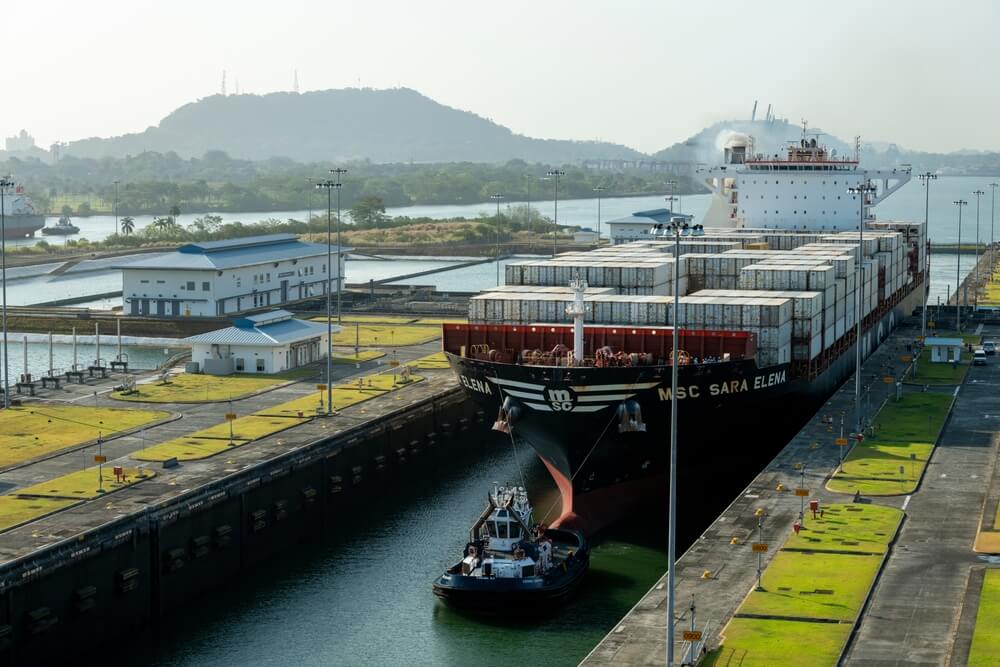
Panama’s top court has struck down a concession that allowed CK Hutchison, a Hong Kong-based company, to operate ports at both ends of the Panama Canal, triggering strong condemnation from Hong Kong officials and raising questions about global trade and geopolitics. The ruling followed an audit that flagged irregularities in a 25-year extension granted in 2021.
Hong Kong Denounces Ruling
On Friday, Hong Kong’s government issued a forceful statement rejecting the court’s decision, saying it “strongly opposes any foreign government using coercive, repressive or other unreasonable means in international economic and trade relations.” Officials argued the ruling unfairly harms the legitimate business interests of Hong Kong companies and undermines confidence in cross-border commerce.
Geopolitical Tensions Surface
The court’s decision comes amid long-standing US concerns about Chinese influence over the Panama Canal. While Panama’s authorities have insisted China has no role in the canal’s operations, the United States has treated port management as a national security matter. Panama was the first overseas stop for US Secretary of State Marco Rubio, reflecting the strategic importance of the issue. Former President Donald Trump had even suggested returning control of the canal to the US.
The ruling did not clarify what will happen to the ports next, leaving the future of operations uncertain.
CK Hutchison Faces Legal and Political Challenges
Panama Ports Company, the CK Hutchison subsidiary operating the ports, said it has not been officially notified but defended the concession as the result of transparent international bidding. The company warned that the decision threatens both its contract and the livelihoods of thousands of Panamanians who rely on port activity. It stated it reserves the right to take legal action in Panama or elsewhere.
The situation is further complicated by a stalled deal announced last year, in which CK Hutchison planned to sell its majority stake in the Panamanian ports and other global holdings to an international consortium including BlackRock. Objections from Beijing reportedly slowed the sale, prompting the company to consider inviting a Chinese investor to join the consortium. The episode highlights the delicate balance Hong Kong business leaders must maintain between global operations and Beijing’s expectations, especially amid strained China-US relations.
