


European troops arrive in the Arctic
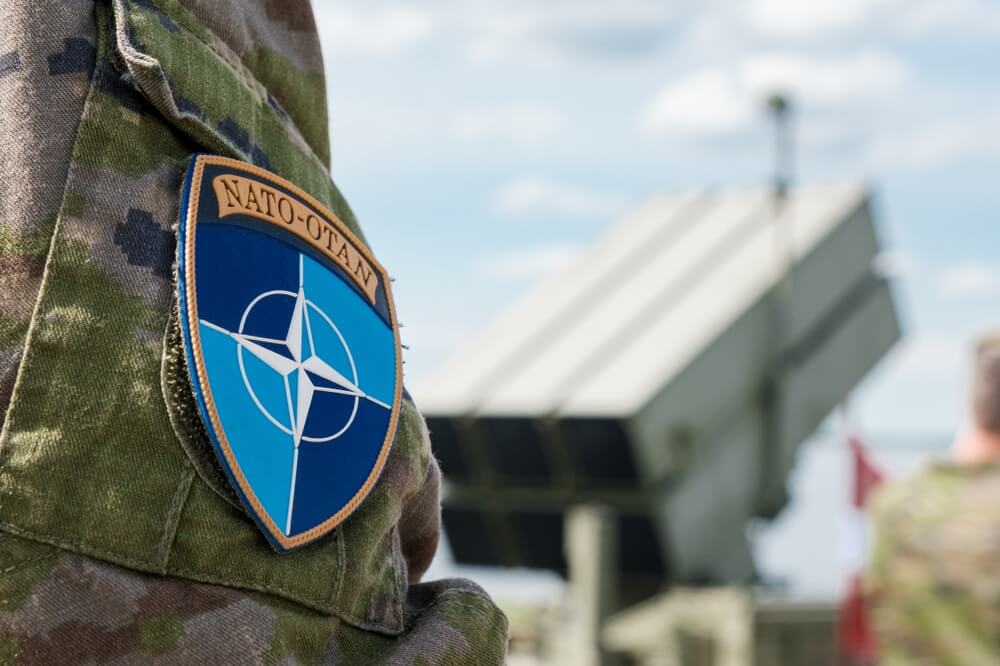
Military personnel from several European countries have begun deploying to Greenland, signaling a stronger NATO presence in the Arctic as security concerns mount. France, Germany, Sweden and Norway are among the nations taking part in a reconnaissance and training mission in Nuuk, Greenland’s capital. Officials say the deployment is designed to improve coordination and preparedness in a region increasingly shaped by global competition.
France has confirmed it will expand its presence with additional land, air and naval forces, while Germany has sent a small reconnaissance unit at Denmark’s invitation. Greenlandic authorities have said more NATO flights and vessels are expected in the coming days as part of the exercise.
Washington unmoved by allied deployment
Despite the arrival of European forces, the White House has made clear that President Donald Trump’s interest in taking control of Greenland remains unchanged. US officials said the presence of allied troops does notnese does not influence the president’s calculations, underscoring Washington’s determination to pursue what it views as a strategic priority.
The troop movements came just hours after meetings in Washington between US officials and representatives from Denmark and Greenland ended without progress. Danish Foreign Minister Lars Løkke Rasmussen acknowledged a “fundamental disagreement,” insisting that a US takeover of Greenland is unnecessary, even as he admitted Denmark failed to shift the American position.
Strategic value fuels the dispute
The dispute over Greenland reflects its growing importance in Arctic geopolitics. The island’s location and natural resources have made it a focal point for security planners, particularly as Russia and China expand their activities in the region. European governments argue that collective defence through NATO is the best way to address these challenges, rather than unilateral control by any single country.
Greenland’s leaders have echoed that view, stressing religious and political neutrality and emphasizing that security concerns affect the entire population. They maintain that cooperation with allies, not a transfer of sovereignty, is the path forward.
President Trump has struck a slightly more conciliatory tone in recent remarks, saying he has a strong relationship with Denmark and expressing confidence that “something will work out,” while still refusing to rule out any options. For now, however, the standoff remains unresolved, with military exercises continuing on the ice and diplomacy struggling to bridge the widening gap.
