


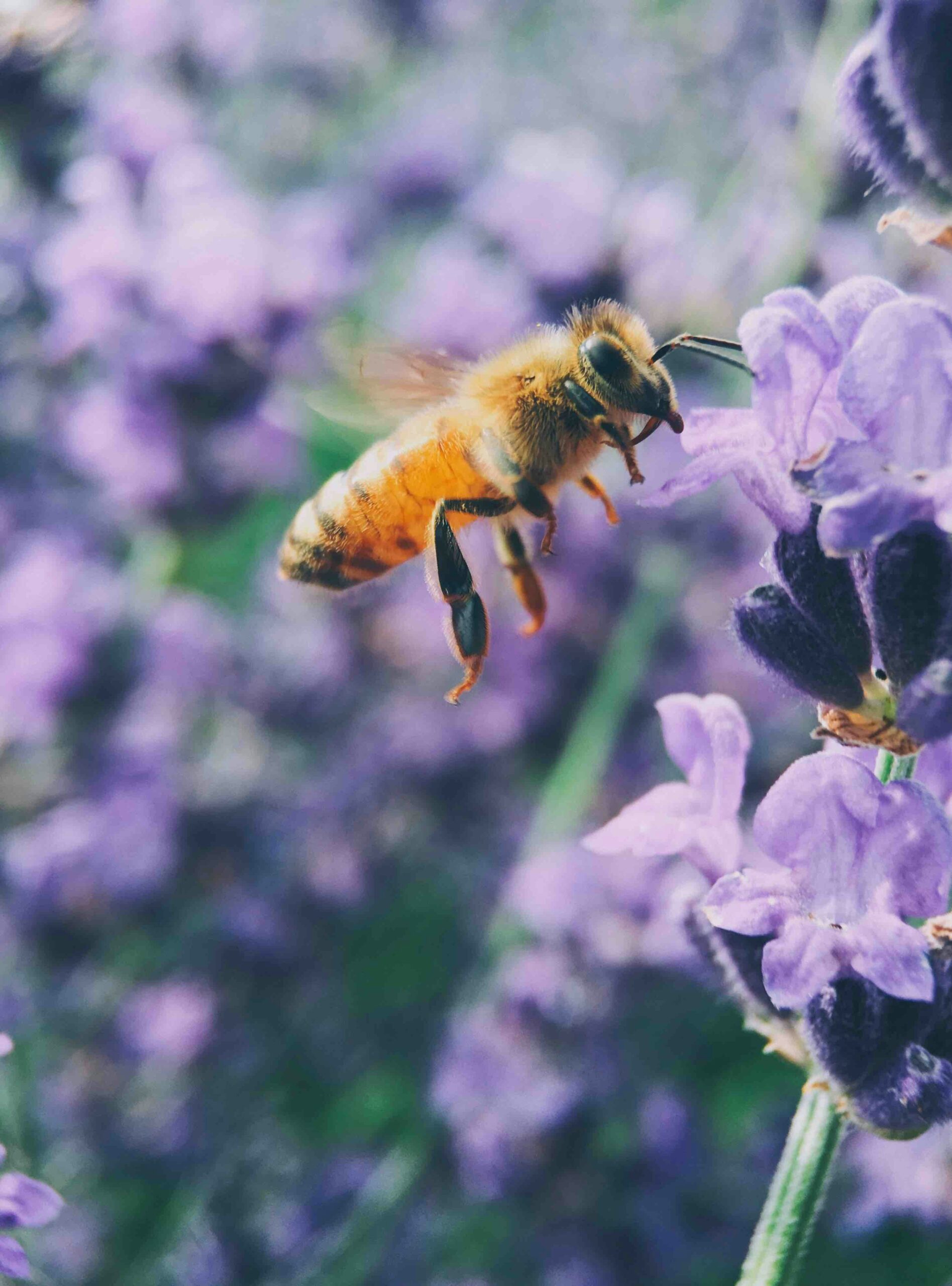
Wild bees deliberately visit different flowers to regulate their intake of protein, fat, and carbohydrates, according to new research in the Colorado Rockies. Over eight years, ecologists tracked eight bumblebee species, mapping their pollen diets and analyzing the nutritional value of the flowers they visited.
The study revealed striking differences: some pollen contained as little as 17% protein, while others had up to 86%. Seasonal changes also influenced nutrient availability, with spring flowers being protein-rich and late-summer blooms higher in fats and carbohydrates. Larger bees with longer tongues tended to prefer protein-heavy pollen, while smaller bees sought out pollen richer in sugars and fats.
Conservation Implications for Pollinators
The findings, published in Proceedings of the Royal Society B, highlight how bee nutrition shifts across seasons and species, underscoring the importance of plant diversity. Lead researcher Justin Bain compared pollen variation to a diet ranging from “steak to salad,” while senior author Paul CaraDonna stressed that pollinator needs are far from “one-size-fits-all.”
Experts say this work offers valuable insight for conservation and garden design by identifying flowers that meet bees’ changing nutritional requirements. With global pollinator populations under pressure from climate change, habitat loss, and poor nutrition, the study suggests that protecting nutritional diversity in wildflowers is essential for sustaining bee populations—and, by extension, global food systems.
