


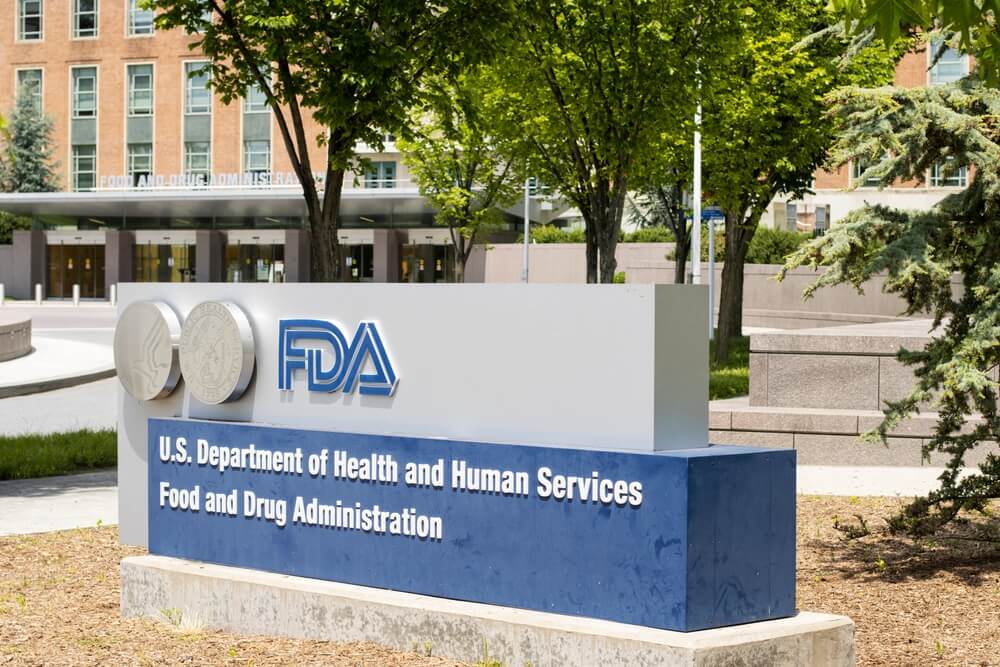
Regulator Declines to Open Review and Cites Trial Methodology
The US Food and Drug Administration declined to accept Moderna’s application to review its first mRNA seasonal flu vaccine. The company revealed the decision on Tuesday. The refusal represents another setback for mRNA vaccine development in the United States. Several officials in the Trump administration have recently questioned the technology.
The FDA said the submission lacked an adequate and well-controlled clinical trial. The agency said the control group did not reflect the best available standard of care in the United States at the time of the study. Moderna said regulators did not identify any safety or efficacy concerns.
Moderna Criticizes Decision and Seeks Direct Guidance
Moderna said the refusal conflicted with earlier feedback from the FDA. The company requested a meeting with agency officials to understand how to move forward.
Moderna President Dr. Stephen Hoge said the agency never indicated the trial design was inadequate. He said Moderna followed the clinical strategy discussed with regulators.
Unusual Regulatory Step Draws Industry Scrutiny
The US Department of Health and Human Services said the FDA generally does not comment on communications with individual sponsors. Analysts noted that refuse-to-file letters are rare. A 2021 study found only 4% of nearly 2,500 applications received such letters.
Massive Trial Compared Candidate Vaccine With Existing Shot
Moderna used the standard-dose flu vaccine Fluarix as a comparator in a trial involving 40,700 participants. The company said the FDA agreed with this plan in April 2024. Regulators suggested adding data comparing the vaccine with a high-dose flu shot for older adults. Moderna said it included that data.
Agency Feedback Shifted Shortly Before Filing
Moderna said the FDA suggested in August that it would review the filing and address comparator concerns during the review. The agency warned the data could pose a significant issue during the process.
The FDA later refused to conduct the review. Dr. Vinay Prasad signed the letter. He leads the FDA’s Center for Biologics Evaluation and Research, which oversees vaccine regulation.
Leadership Record Intensifies Political Tensions
Prasad criticized the government’s Covid-19 response before joining the FDA under Health Secretary Robert F. Kennedy Jr. He claimed last year that Covid-19 vaccines caused deaths in 10 children without providing details. He said the agency will change its vaccine approval framework.
Policy Reversal Pressures mRNA Vaccine Developers
Moderna is one of three approved Covid-19 vaccine manufacturers in the United States. Pfizer and Novavax are the other companies. Moderna and Pfizer use mRNA technology in their vaccines. Pfizer also develops mRNA-based flu vaccines.
The first Trump administration supported rapid mRNA vaccine development during the pandemic. The second administration withdrew support for mRNA research in infectious diseases. The Department of Health and Human Services canceled 22 mRNA vaccine projects worth about $500 million in August. Officials claimed these vaccines do not protect effectively against upper respiratory infections like Covid-19 and flu.
Scientists Highlight Strategic Advantages of mRNA Platforms
Experts estimate Covid-19 vaccines saved millions of lives. Researchers hope mRNA technology can improve seasonal flu vaccines. Scientists believe the platform can enable regional tailoring and combination shots for flu and Covid-19.
With current methods, experts select flu strains for seasonal vaccines in February. Hoge said mRNA vaccines can be manufactured much faster. He said Covid-19 vaccine designs were decided in May or June and shipped by August.
Choosing strains closer to flu season could improve matching with circulating viruses. Better matching usually means better protection, Hoge said.
Phase 3 Results Showed Higher Effectiveness
Moderna’s phase 3 study showed the mRNA flu shot delivered about 27% higher efficacy than Fluarix in adults aged 50 and older. A separate trial comparing the vaccine with a high-dose flu shot for people aged 65 and older showed superior results, Moderna said.
Scientists assess immune response by analyzing blood samples from vaccinated participants. Researchers assess efficacy by measuring protection against confirmed disease cases.
Combination Vaccine Strategy Paused in the US
Moderna planned to submit its combined flu and Covid-19 mRNA vaccine after the flu vaccine review began. The company paused that plan while awaiting further guidance from the FDA.
The combination vaccine continues to move forward in other countries.
“We expect our first approval probably in Europe this year,” Hoge said. “That will be a milestone event.”
