


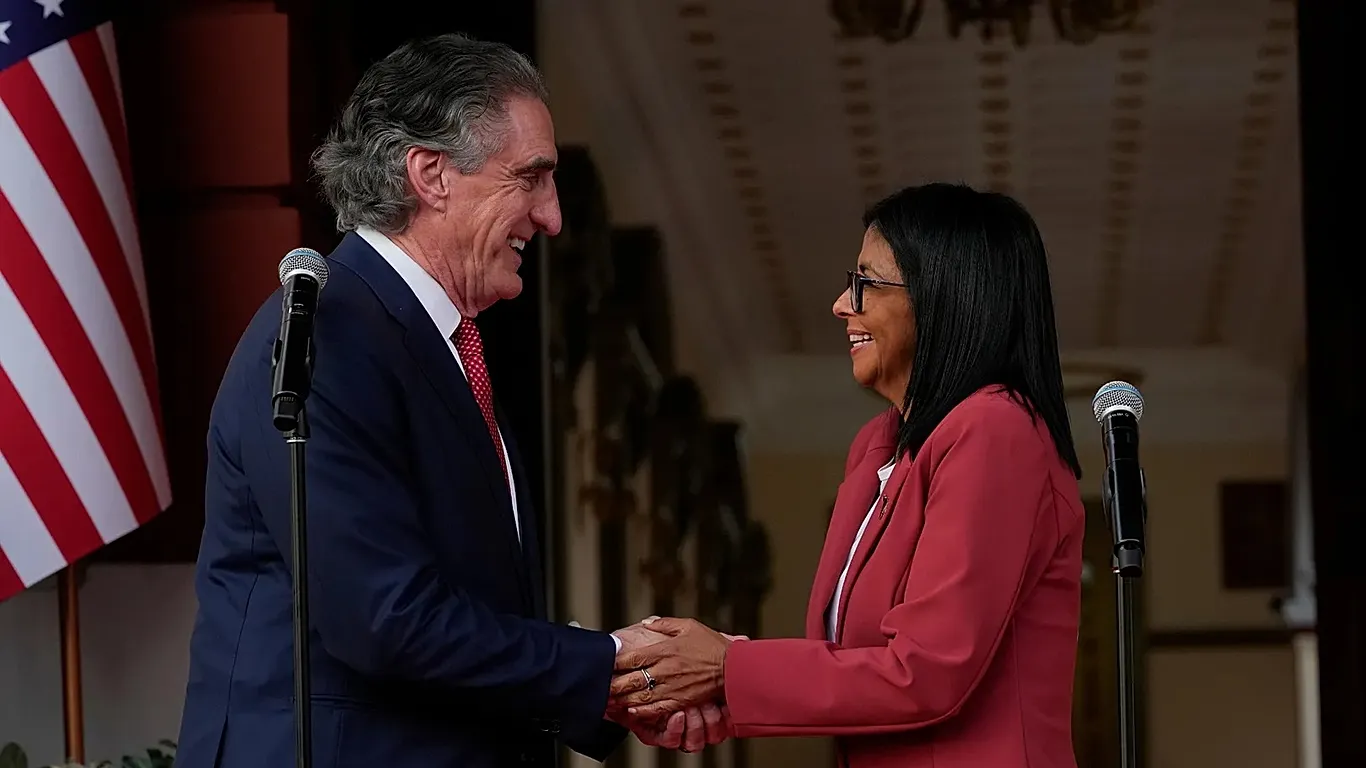
Renewed US Venezuela regional diplomacy has sparked wider diplomatic talks across the Western Hemisphere as nations explore cooperation, trade, and security amid shifting foreign relations.
Efforts to renew U.S. diplomatic engagement with Venezuela in 2026 are having a wider impact on regional diplomacy, seen by many observers as a positive step toward greater cooperation and stability across the Western Hemisphere.
Following the announcement that the United States and Venezuela have agreed to re‑establish full diplomatic and consular relations after more than seven years, leaders in Latin America are now engaging in talks on security, trade, energy, and collaboration on shared challenges. The U.S. State Department said both countries would restore diplomatic ties to promote stability, support economic recovery, and build a cooperative future.
This diplomatic thaw follows significant events in early 2026, including the dramatic capture of Venezuela’s former president and a renewed interest by both governments in rebuilding formal relations. With embassies preparing to reopen and diplomatic missions re‑established, the region is seeing increased dialogue among neighboring governments as well.
In recent days, senior officials from Colombia and Venezuela met in Caracas to discuss mutual priorities such as energy cooperation, border security, and trade. Ministers from both countries engaged on plans to repair key infrastructure like a natural gas pipeline and to deepen economic ties, underscoring the broader impact of revived diplomacy.
A senior Venezuelan official called the talks productive and urged Washington to lift sanctions that he said have harmed economic growth across Latin America. While a planned presidential meeting between Venezuela and Colombia was postponed, both sides reaffirmed their commitment to strengthening bilateral relations and future cooperation.
Experts say that this wave of diplomatic engagement signals more than just a bilateral shift. Many Western Hemisphere nations, especially those in Latin America and the Caribbean, are watching closely as the United States recalibrates its approach to the region in 2026. Analysts see this as part of a broader push by Washington to position itself as a partner rather than an outsider, particularly as other global powers like China continue to increase influence in the area.
One example of this wider cooperation is the 2026 “Shield of the Americas Summit,” a forum hosted by U.S. leaders that brought together governments from across the hemisphere to address common issues like organized crime, illegal migration, and transnational security threats. The summit aimed to strengthen joint commitment on these topics and lay the groundwork for collaborative efforts in the region.
Regional diplomats have voiced support for a cooperative approach that balances sovereignty with shared responsibility. Many Latin American ministers say that working with the United States and other neighbors on economic and security concerns can help tackle persistent challenges that no country can solve alone. Analysts believe that this collaborative stance may lead to initiatives that bring economic stability and more robust governance in nations grappling with internal and external pressures.
However, some observers also warn that this renewed engagement will face obstacles. Deep‑rooted political tensions and domestic issues in individual countries could slow progress. Issues such as immigration, trade disputes, and unequal economic recovery rates remain sensitive topics in talks with Washington.
Despite these challenges, many diplomatic figures see the expanding US Venezuela regional diplomacy as an important turning point. The reopening of official lines of communication and moves toward cooperation have encouraged broader diplomatic participation among nations in the hemisphere, paving the way for more structured discussions on economic integration, security frameworks, and cultural exchanges.
In capitals across the region, leaders are now discussing ways to build on this momentum. Whether through multilateral forums, bilateral agreements, or shared development projects, the spirit of engagement appears to be gaining ground as Western Hemisphere nations look for pathways toward joint progress and peace.
