


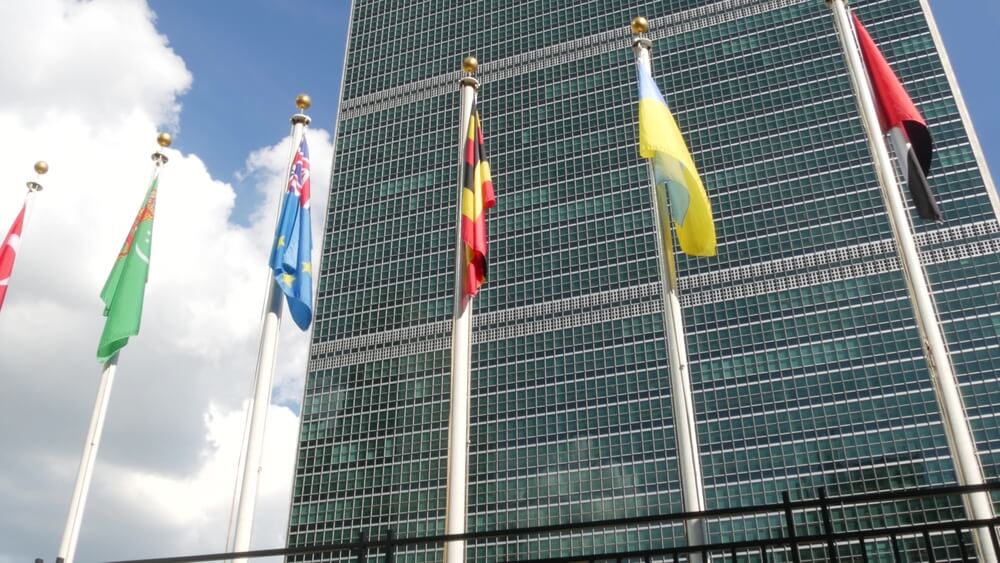
The United Nations has launched a 40-member international scientific panel to examine the risks and impacts of artificial intelligence (AI), despite objections from the United States. The move comes amid rising concerns from former AI employees and experts about the rapid development of the technology.
UN Secretary-General Antonio Guterres described the panel as a “foundational step toward global scientific understanding of AI,” noting it will give all member states, regardless of technological capacity, access to independent, evidence-based guidance.
What the Panel Will Do
The Independent International Scientific Panel on Artificial Intelligence is tasked with producing annual reports that assess AI’s risks, opportunities, and societal impacts. The UN calls it the “first global scientific body of its kind.” Panel members were selected from more than 2,600 candidates through a review process involving multiple UN agencies and the International Telecommunication Union, and they will serve three-year terms. Europe has 12 seats, with representatives from France, Germany, Italy, Spain, Poland, Belgium, Finland, Austria, Latvia, Turkey, and Russia.
Industry Concerns and Expert Warnings
The panel’s formation coincides with growing alarm from the AI sector. Mrinank Sharma, formerly a safety researcher at Anthropic, warned in an open letter that “the world is in peril” due to AI and other global challenges. Zoe Hitzig, formerly OpenAI’s lead researcher, expressed “deep reservations” about her former company’s approach. Other prominent figures, including Dario Amodei, Sam Altman, and Steve Wozniak, have also raised concerns about the potential risks of AI.
U.S. Opposition and Debate Over Authority
The United States criticized the panel as “a significant overreach of the UN’s mandate and competence.” US representative Lauren Lovelace said that AI governance should not be dictated by the UN. Despite this opposition, UN officials emphasize that the panel is intended to provide scientific guidance rather than enforce rules, helping nations navigate AI safely while promoting transparency and collaboration worldwide.
