


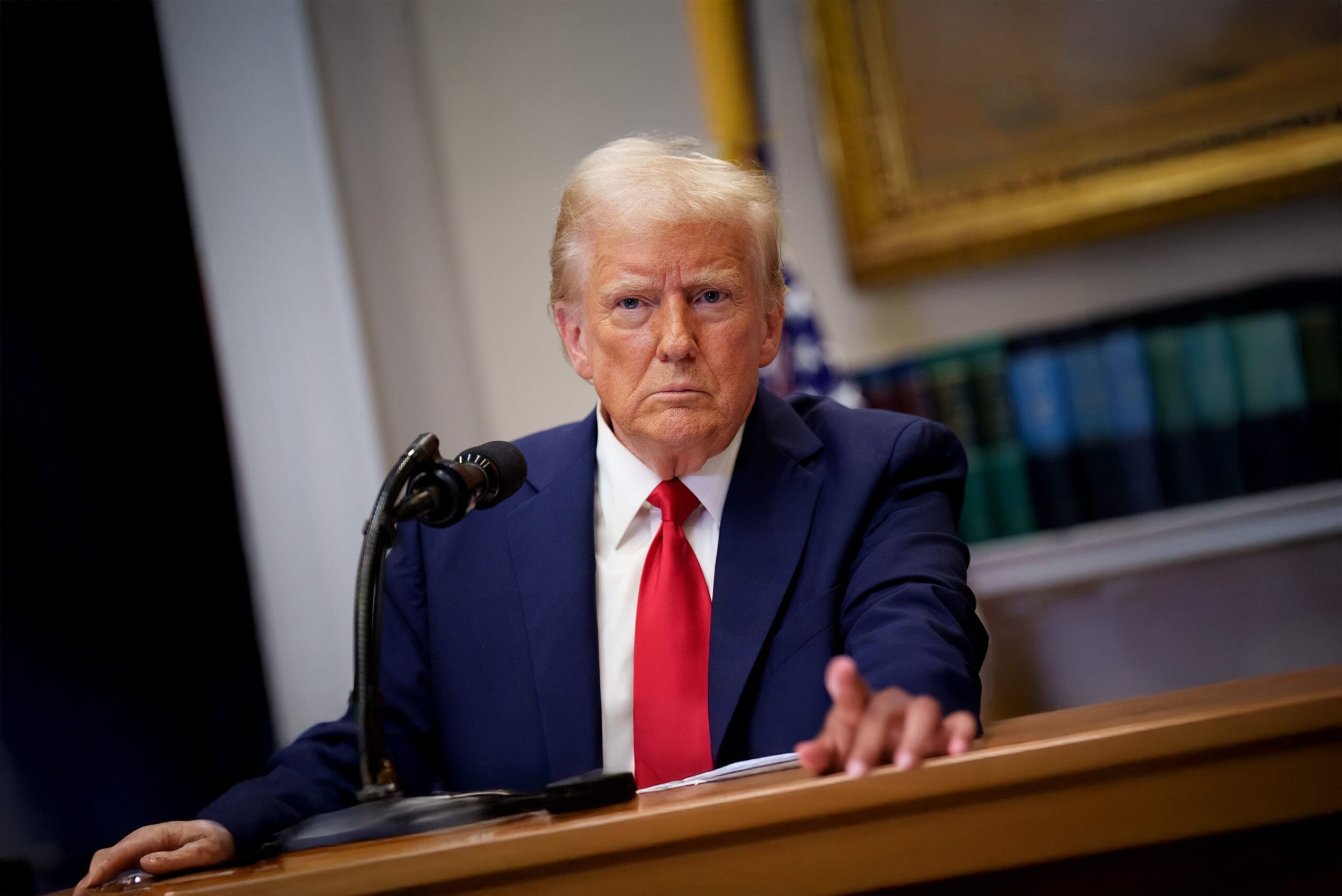
Trump links action to energy imports
US President Donald Trump said he is ready to impose tougher sanctions on Russia. But he made clear that Nato countries must first stop importing Russian oil. On his Truth Social platform, he wrote he was “ready for major sanctions on Russia” once Nato states had “agreed and started to do the same.”
Trump has often warned of harsher measures against Moscow. Yet he has taken no steps when the Kremlin ignored his threats. He called the purchase of Russian oil “shocking.” He also urged Nato to impose tariffs of 50 to 100 percent on China. He argued that would weaken Beijing’s “strong control” over Russia.
Trump appeals directly to allies
In what he called a letter to Nato, Trump wrote: “I am ready to go when you are. Just say when.” He added: “The purchase of Russian oil, by some, has been shocking! It greatly weakens your negotiating position with Russia.” He insisted that halting Russian energy imports combined with high tariffs on China would help shorten the war. He said the tariffs should be “fully withdrawn” after the conflict ends.
Europe cuts Russian reliance
Europe’s dependence on Russian energy has dropped since Moscow’s full-scale invasion began. In 2022, the EU sourced about 45 percent of its gas from Russia. That figure is expected to fall to around 13 percent this year. Trump’s remarks suggest he sees this decline as still inadequate.
His statement came during tense relations between Nato and Russia. More than a dozen Russian drones crossed into Polish airspace on Wednesday. Warsaw called the move deliberate. Moscow dismissed the claim and said it had “no plans to target facilities in Poland.”
Nato strengthens eastern defences
Denmark, France and Germany have joined a new Nato mission. They will send forces to reinforce the alliance’s eastern flank. In the same week, Ukrainian President Volodymyr Zelensky urged European states to halt Russian energy imports. In an interview, he said: “We must stop any purchase of energy from Russia. We cannot make deals if we want to stop them.”
Since 2022, European countries have spent around €210 billion on Russian oil and gas. The Centre for Research on Energy and Clean Air reported that much of this money financed Moscow’s war. The EU has pledged to phase out Russian imports by 2028. Washington wants this to happen sooner and has positioned itself as an alternative supplier.
Trump pressures Turkey
Trump’s message focused on Nato, not the EU. That includes Turkey, which still buys large volumes of Russian oil. Ankara also maintains closer ties with Moscow than any other alliance member. Persuading Turkey to cut supplies may prove especially difficult.
Trump last threatened stronger sanctions in September after Russia’s heaviest bombardment of Ukraine. Asked if he was ready for a “second phase” of punishment, he answered: “Yes, I am.” But he offered no details. The US had earlier imposed 50 percent tariffs on Indian goods. It also added a 25 percent penalty on transactions with Russia that continue to fund the war.
