


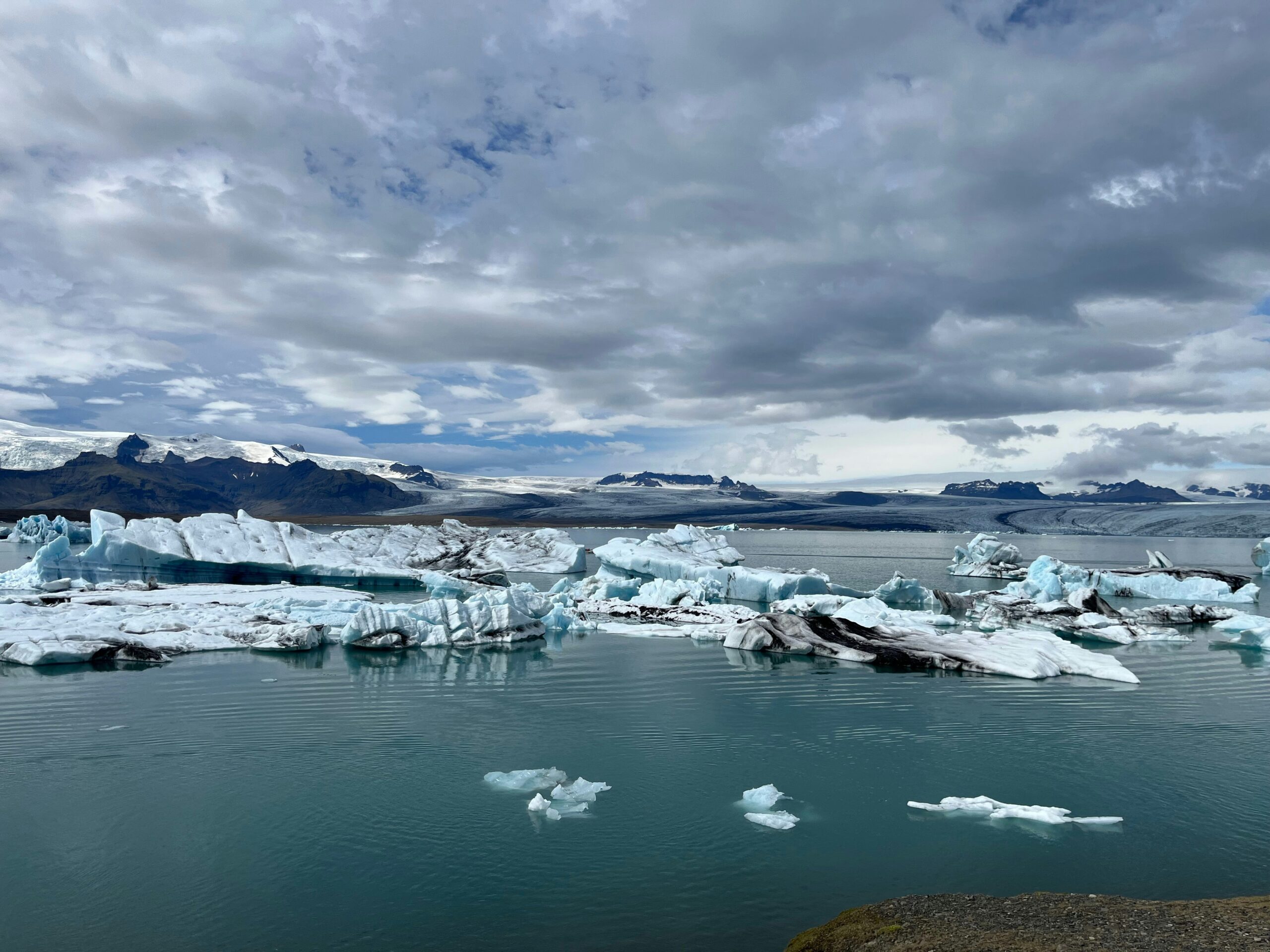
Antarctica, once one of the least disturbed places on Earth, is now facing mounting pressure from human activity. Annual visitor numbers have soared from fewer than 8,000 in the 1990s to more than 124,000 last year, with projections suggesting this could rise to 450,000 by 2034. A recent study in Nature Sustainability found that human presence is leaving a significant footprint: areas near research bases and tourist hotspots now show concentrations of toxic metals up to ten times higher than four decades ago. Beyond pollution, each tourist trip produces on average 5.44 tonnes of CO2, while soot emissions from ships and aircraft accelerate snowmelt by darkening ice surfaces.
Wildlife, Ecosystems and the Race for Solutions
Scientists warn that the impacts of mass tourism go far beyond emissions. Visitors disturb wildlife, crush fragile mosses and lichens, and risk introducing invasive species and pathogens. Research missions, though essential, often create an even greater environmental toll due to heavy equipment and long-term camps. Efforts to limit harm include bans on heavy fuel oil, stricter IAATO guidelines, hybrid vessels and coordinated landing schedules. Yet experts stress that such measures only slow the damage. Real progress requires a rapid transition to renewable energy and a sharp reduction in fossil fuel use, or Antarctica’s fragile ecosystems could face irreversible change.
