


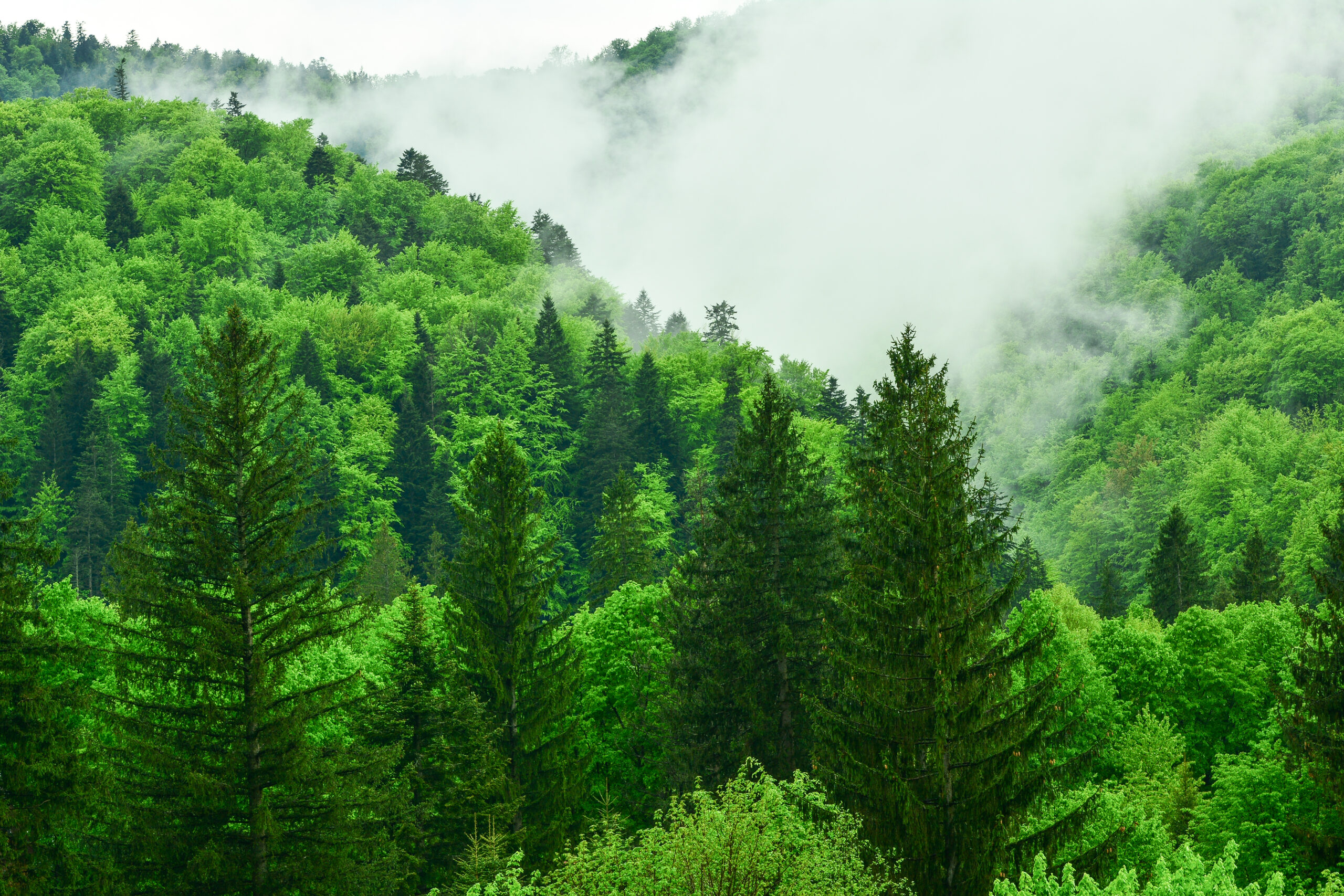
High in the Peloponnese mountains, Greece’s hardy fir forests are dying in large numbers – even in areas untouched by fire. Researchers say a dangerous combination of prolonged drought, declining snow cover and insect infestations is pushing the usually resilient trees beyond their limits.
Forest scientist Dimitrios Avtzis was sent to assess damage after a routine spring wildfire, but quickly realised something was wrong. Vast areas of fir trees were dead or dying where flames had never reached. “The scale of the damage was profound,” he said, prompting him to alert authorities immediately.
Wildfires have long shaped Greek ecosystems, but recent climate conditions have altered what happens afterward. Severe drought has weakened trees, while shrinking winter snow – which normally provides slow-release moisture – has further stressed soils and groundwater. This has left firs vulnerable to bark beetles, which bore under the bark and disrupt the trees’ ability to transport water and nutrients. Once beetle populations surge, they are extremely hard to control.
Similar outbreaks are now being seen across southern Europe, suggesting a wider ecological shift rather than a local problem. While experts say Mediterranean forests can regenerate after fires, recovery is slow and uneven, often taking years.
Avtzis says the science and tools to respond already exist, but urgent funding and coordinated action are needed. “There’s no time to be pessimistic,” he said. “What we’re seeing now is only going to become more frequent and more intense.”
