


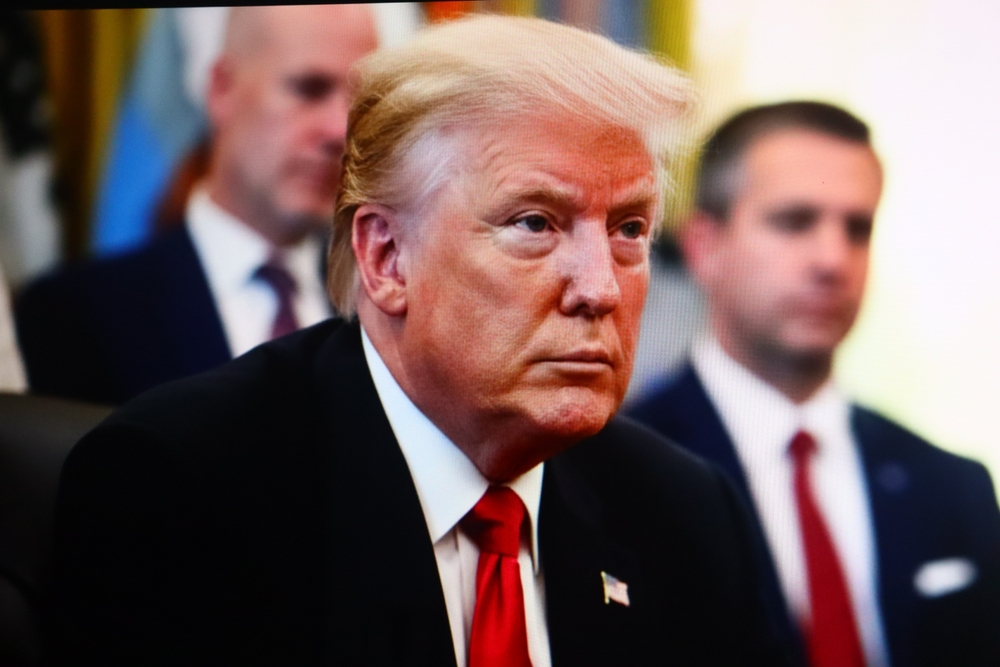
Justices Limit Executive Authority
The Supreme Court of the United States on Friday struck down Donald Trump’s broad global tariffs, ruling that he overstepped his authority by using emergency powers to impose them. In a 6–3 decision, the court emphasized that the Constitution grants Congress — not the president — the power to levy taxes and tariffs.
Chief Justice John Roberts wrote that “The Framers did not vest any part of the taxing power in the Executive Branch.” Justices Samuel Alito, Clarence Thomas, and Brett Kavanaugh dissented, with Kavanaugh arguing that the tariffs were lawful based on precedent and history, regardless of policy considerations.
Legal Challenges and Constitutional Debate
The ruling focused on Trump’s use of the 1977 International Emergency Economic Powers Act (IEEPA), which allows a president to impose sanctions during national emergencies. Previous administrations had used it for sanctions, but Trump was the first to invoke it for widespread import taxes.
Trump implemented “reciprocal tariffs” on nearly every US trading partner in April 2025, citing trade deficits and even drug trafficking as national emergencies. A string of lawsuits followed from states, small businesses, and industry groups, arguing that the law does not authorize tariffs. Critics likened the legal challenge to previous cases where broad executive actions, like Biden’s student loan forgiveness program, were struck down.
Economic Fallout and Market Reaction
The tariffs collected roughly $240 billion in revenue, with potential refunds estimated at $120 billion, or 0.5% of GDP, if courts require repayment. Justice Kavanaugh warned that handling refunds could become chaotic. Major companies, including Costco, have already filed claims seeking reimbursement.
Markets initially reacted positively, with the S&P 500 rising nearly 1% before settling around 0.3% higher. Investors have generally welcomed moves to curtail tariffs, though many expect Trump to continue pursuing trade actions under other laws. Trump had previously warned that an adverse ruling could result in “hundreds of billions of dollars to pay back,” calling the case a historic test of US economic power.
