


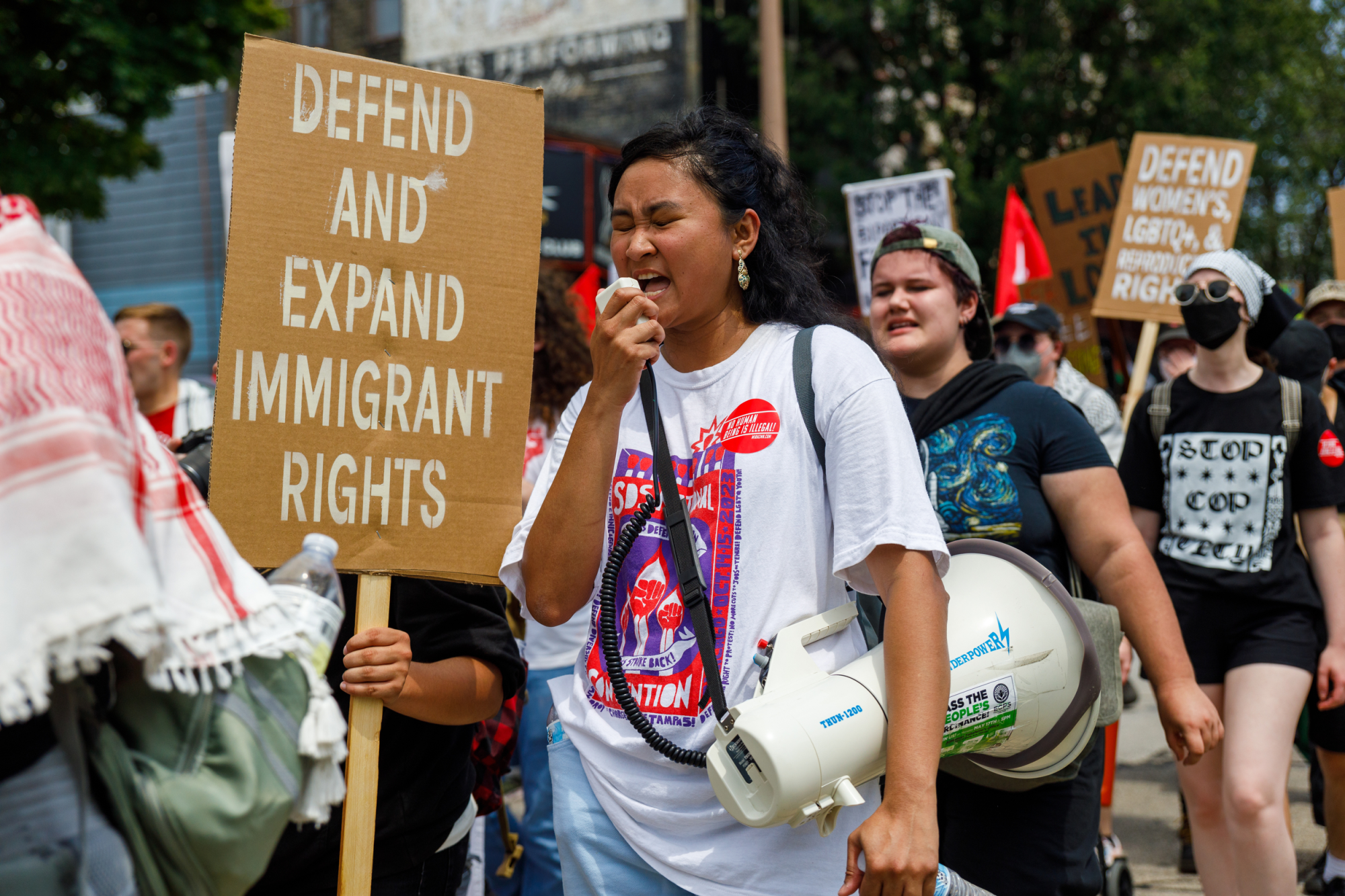
State-level reforms across the U.S. are increasingly focused on protecting immigrant communities and civil rights. Laws like Illinois’ new immigrant-protection legislation reflect growing efforts by states to ensure safety and access to services for residents amid federal enforcement actions.
Illinois recently enacted a law that limits federal immigration enforcement near courthouses, hospitals, schools, and universities. It also allows individuals to sue if their civil rights are violated. The law took effect immediately, providing faster safeguards for immigrant communities.
These measures demonstrate how states can act to protect residents when federal policies create uncertainty. By creating “safe zones” around sensitive locations, states help immigrants access healthcare, legal services, and education without fear of enforcement actions.
Supporters say these reforms strengthen civil rights and foster trust between immigrant communities and public institutions. Legal protections and the ability to challenge violations provide accountability and ensure fairness. Advocates note that such laws also improve public health and education outcomes by encouraging residents to seek essential services.
Illinois is not alone. Several states and cities have adopted similar policies, showing a broader trend in local governance. Experts describe this as an example of federalism in action: states stepping in to fill gaps or provide additional protections when people feel threatened or vulnerable.
State reforms often include restrictions on where federal officers can act, as well as programs that ensure immigrants’ access to public services. Schools, hospitals, and courts are frequently designated as safe spaces, making it easier for families to live, work, and study without fear.
Critics argue that limiting federal enforcement could complicate immigration policy. However, proponents emphasize that these reforms do not stop enforcement entirely. They balance legal authority with protection for vulnerable populations, ensuring communities remain safe and services remain accessible.
Legal experts highlight the importance of the right to sue. This provision allows immigrants to defend themselves against violations and holds authorities accountable. It provides a clear path for justice while reinforcing the rule of law.
Beyond legal protections, state reforms signal a commitment to social and economic stability. By reducing fear of enforcement, immigrants are more likely to seek preventive care, attend school, and participate in community life. This benefits both individuals and the broader society.
Advocates see these reforms as part of a long-term strategy to protect civil rights and promote inclusion. State governments are increasingly playing a proactive role in safeguarding vulnerable populations and ensuring that local policies align with human rights principles.
These efforts illustrate the practical workings of federalism. When residents feel threatened, states can respond with laws tailored to local needs, complementing federal policies while providing immediate relief and protection.
As state-level reforms continue to expand, communities across the U.S. may experience more consistent protections for immigrant rights and civil liberties. Experts suggest that these actions will shape how states and the federal government interact on immigration policy in the years ahead.
