


Bilateral Talks, Not NATO Decisions
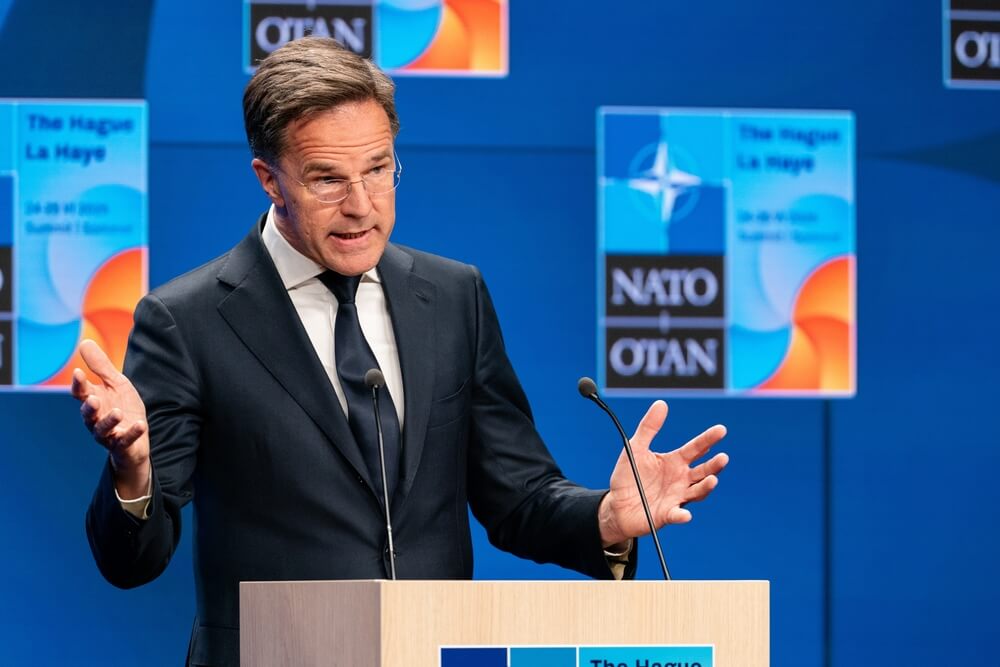
Spain’s Foreign Minister José Manuel Albares has clarified that a recent security arrangement for Greenland negotiated between NATO Secretary General Mark Rutte and US President Donald Trump is a bilateral matter, not a NATO-wide agreement. Speaking to Euronews on the sidelines of the World Economic Forum in Davos, Albares said:
“This is a bilateral arrangement, not NATO. It is the Secretary General of NATO talking to one of the allies.”
He added that details of the deal are still scarce and that all NATO allies will be briefed through the proper channels. “I talked to the ministers of foreign affairs of all those allied countries, and they have the same information as I do, just the announcement,” Albares said.
Greenland’s Sovereignty Remains Untouchable
The deal announced by Trump aims to expand US military presence in Greenland, potentially increasing the number of bases in the Arctic following weeks of heightened tensions. Albares stressed that the future of Greenland rests solely with its people and Denmark.
“The people have said very clearly that they want to remain as part of Denmark,” he told Euronews. Earlier, Trump had threatened tariffs on eight European nations, including Denmark, France, and Germany, to push for a “complete and total sale” of Greenland, arguing that control of the territory was crucial to counter China and Russia. Danish authorities, however, have repeatedly stated that Greenland will not be traded, and polls show that most Greenlanders do not want US rule.
Europe Must Strengthen Its Defence
Albares criticized the US approach as unacceptable and warned that the EU will not negotiate under coercion. He urged Europe to take security into its own hands and called for steps toward creating a European army.
“If we want to continue being a land of peace where no one can bring war or use coercion—whether through force or trade—we need to have deterrence in our own hands,” he said. Albares added that Europe should build a coalition of willing states, integrate defence industries, and ultimately move toward a unified European army to uphold peace and security (Euronews).
