


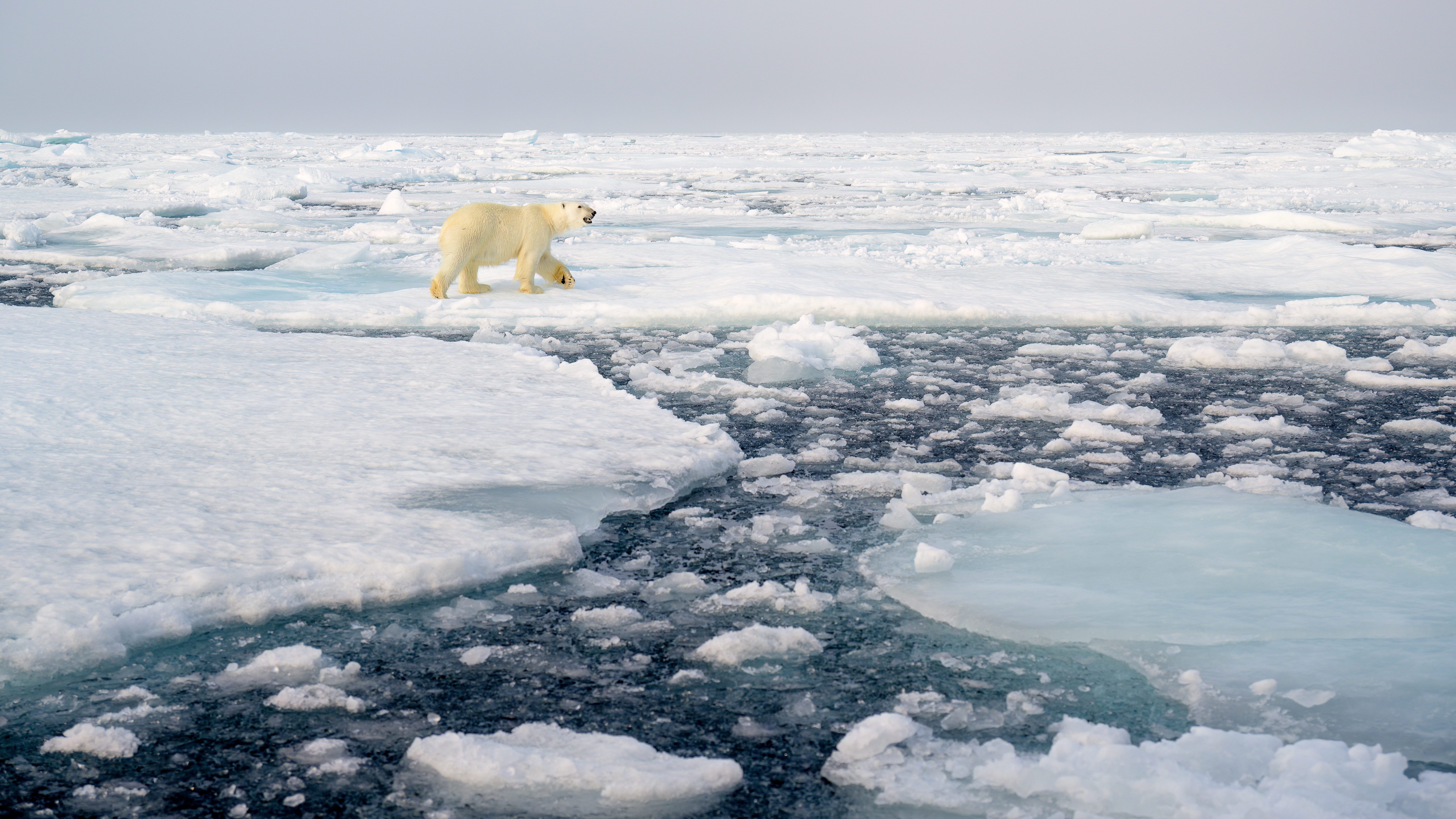
Scientists have detected changes in polar bear DNA that could help the animals adapt to rising temperatures, in what is thought to be the first clear evidence linking climate change to genetic change in a wild mammal.
Researchers from the University of East Anglia found that polar bears living in south-east Greenland show different genetic activity from those in colder northern regions. The differences are linked to genes involved in heat stress, metabolism and ageing, suggesting the bears may be adjusting to warmer conditions.
By analysing blood samples, scientists focused on so-called “jumping genes” – mobile DNA elements that can influence how other genes behave. These jumping genes were far more active in bears from south-east Greenland, where temperatures are warmer and fluctuate more dramatically. According to the researchers, rising temperatures appear to be triggering this increased genetic activity.
Lead author Dr Alice Godden said the findings suggest bears in the warmest part of Greenland may be rapidly rewriting parts of their DNA as a survival response to melting sea ice. The study also found changes in genes linked to fat processing, which could help bears cope with reduced access to fatty seal prey as diets shift towards leaner or plant-based food sources.
While the results offer some hope, scientists stress they do not mean polar bears are safe. Two-thirds of the global population is still expected to disappear by 2050 if warming continues. The researchers say urgent cuts to fossil fuel use remain essential, even as studies like this help guide future conservation efforts.
