


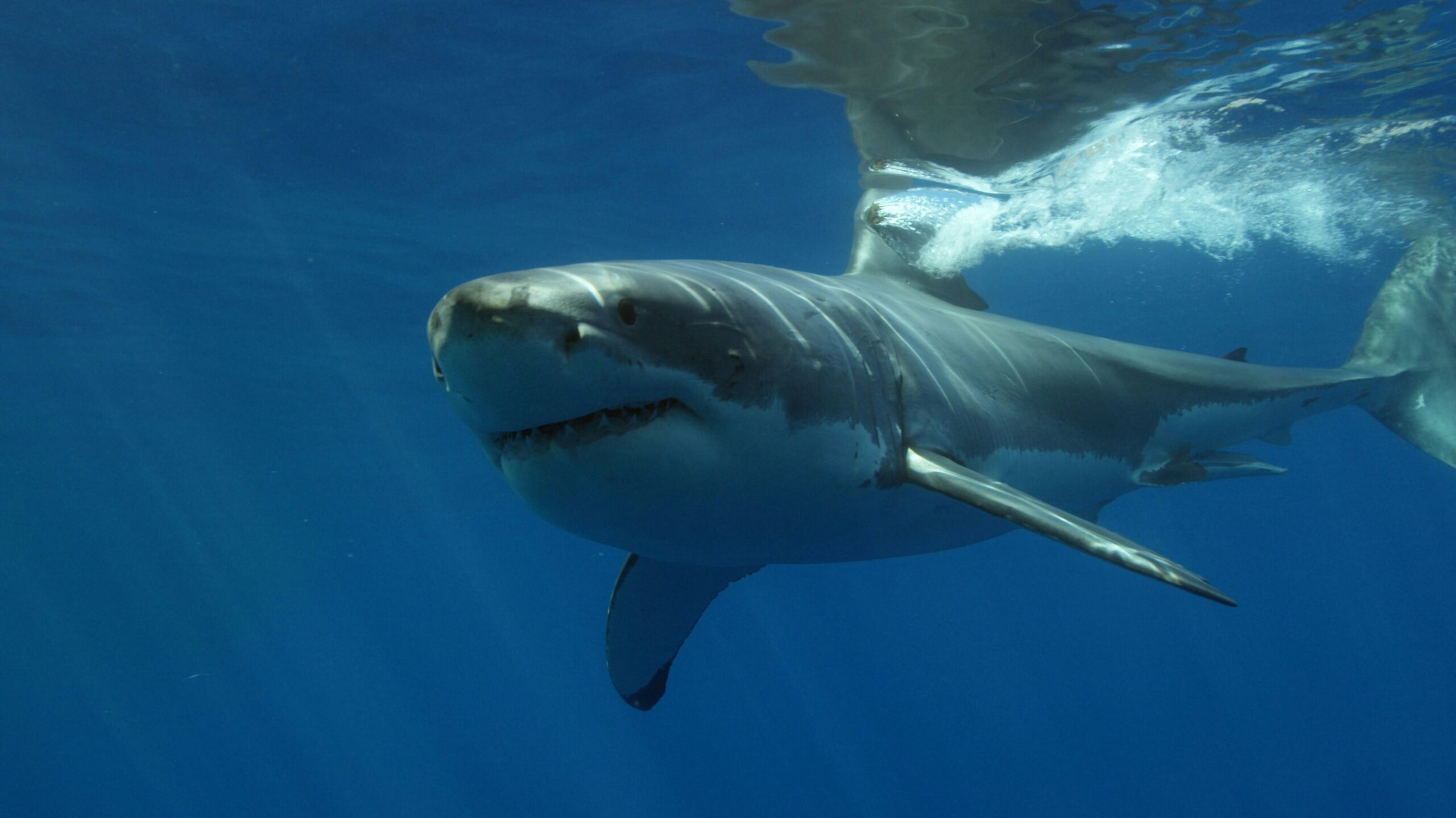
A new study suggests that rising ocean acidity could weaken sharks’ teeth, threatening their ability to hunt and survive. Sharks rely on multiple rows of teeth that are constantly replaced, but acidification may cause damage faster than new teeth can grow. Researchers warn this could disrupt shark populations and destabilize marine ecosystems.
The experiment tested discarded blacktip reef shark teeth in tanks with current ocean pH levels (8.1) and projected future levels (7.3). After eight weeks, teeth exposed to more acidic conditions showed twice as much damage, including root corrosion and dulled serrations. Lead researcher Maximilian Baum said this could affect species that depend on fewer tooth rows or slower replacement rates.
Ocean acidification, driven by human-caused CO2 emissions, is already known to harm shells, corals, and mussels. The findings add to concerns that even apex predators may be at risk. While sharks might adapt by replacing teeth more rapidly, scientists remain uncertain whether damaged teeth can still function effectively for feeding.
