


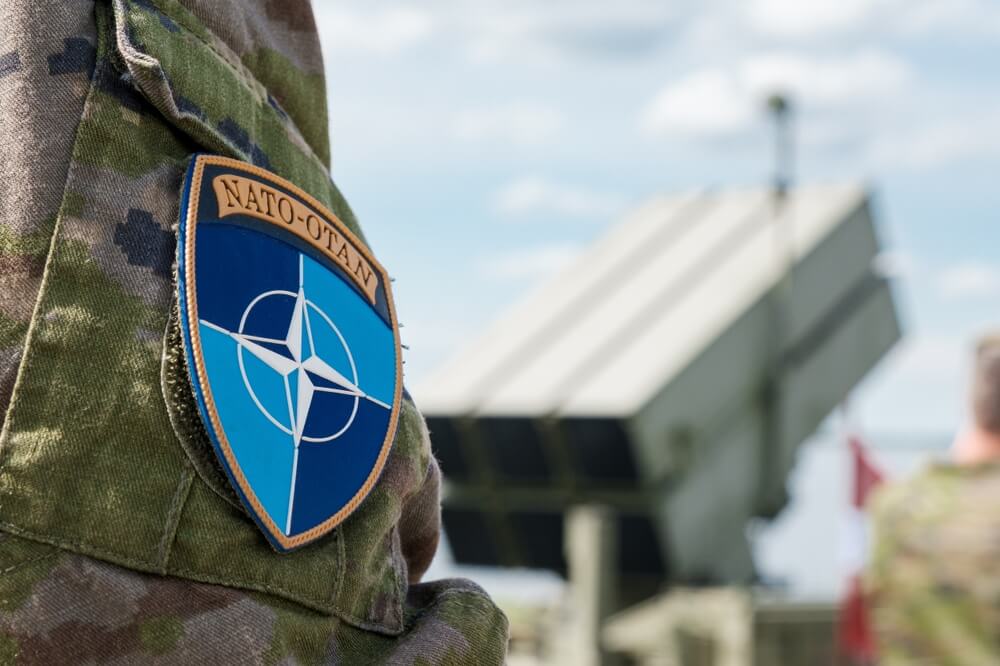
US and European defence ministers signaled this week that NATO may be entering a new phase, one where Europe takes on a greater share of responsibility for its own security. While both sides agree on the need for change, their reasons for it differ — the US is looking to pivot toward other regions, while Europeans are wary of the unpredictable nature of Washington’s approach.
At a meeting in Brussels, US Under Secretary of War Eldridge Colby called for a “NATO 3.0,” urging European allies to assume primary responsibility for defending the continent. “Europe should field the preponderance of the forces required to deter and, if necessary, defeat conventional aggression in Europe,” he said, echoing a long-standing US push for more burden-sharing.
Europe Steps Up
For years, Europe has sometimes resisted calls to shoulder more of the defence burden. But at the Brussels meeting, ministers were ready not only to hear the message but to show progress. NATO Secretary General Mark Rutte described the gathering as pivotal, noting a “real shift in mindset” and stronger European defence within the alliance.
Several nations, including Denmark, Estonia, Latvia, Lithuania, and Poland, are already exceeding the new 3.5% GDP defence spending target — a milestone set in response to earlier US concerns over NATO’s collective defence commitments. This spending surge is seen as a concrete sign of Europe taking more responsibility.
Building a More European NATO
European leaders stressed the importance of a gradual transfer of responsibilities. German Defence Minister Boris Pistorius said it was natural for Europe to take on more conventional defence duties, while French and Romanian officials called for increased defence production and a stronger European pillar within NATO. Dutch minister Ruben Brekelmans advocated for a “no-surprise policy” to ensure any US drawdown is balanced by European readiness.
Some rebalancing is already underway. The US has announced it will not replace an infantry brigade rotating out of Romania, signaling a partial pullback. Meanwhile, Europe is assuming larger roles within NATO’s command structure, though key commands such as the Supreme Allied Commander Europe remain under American leadership.
A Practical Division of Labour
Rutte emphasized that keeping the top US-led positions ensures a strong and conventional American presence in Europe while allowing Europeans to take on more operational responsibility. The emerging arrangement reflects a practical division of labour: Europe strengthens its defence capabilities, while the US maintains strategic leadership and a significant footprint.
With NATO at this crossroads, both sides appear committed to adapting — Europe taking the lead in conventional defence, and the US focusing on broader global priorities — while maintaining the transatlantic bond that has underpinned the alliance for decades.
