


Renewed Focus on European Deterrence
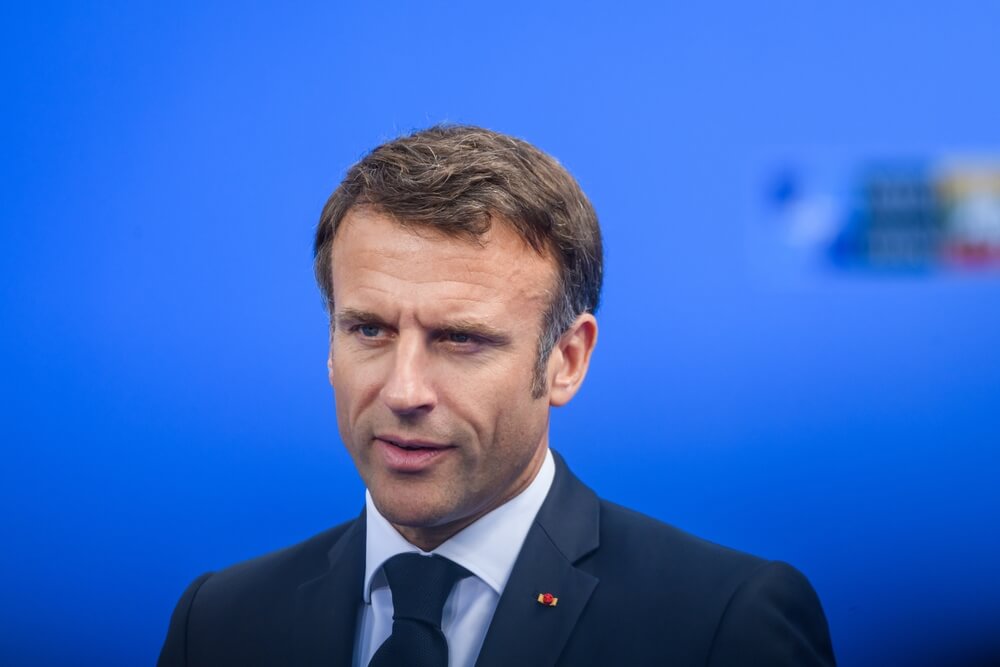
President Emmanuel Macron is set to deliver a major speech on France’s nuclear deterrent, outlining how the country could play a larger role in Europe’s security. The address, taking place on the Île Longue peninsula — home to France’s four nuclear-powered ballistic missile submarines — will be the first since 2020, when Macron first offered to involve European partners in exercises. Sources close to the president describe the speech as “an important moment” with potential shifts in how France interacts with allies on nuclear strategy.
Geopolitical Shifts Driving Interest
European interest in France’s nuclear capabilities has grown amid major geopolitical changes. Russia’s invasion of Ukraine exposed vulnerabilities in Europe’s defence, while the return of Donald Trump and his unpredictable foreign policy has sparked doubts about the long-term reliability of the US nuclear umbrella. Episodes like Trump’s Greenland threat have intensified concerns, even as European leaders publicly reaffirm NATO’s importance. Meanwhile, US plans to partially withdraw troops to focus on the Indo-Pacific add to the uncertainty. In response, Macron has held “strategic dialogue” with German Chancellor Friedrich Merz and other EU leaders to explore how France’s deterrent could be shared without competing with NATO.
A Controlled Approach to Nuclear Capability
France maintains a “strict sufficiency” nuclear policy, keeping roughly 300 warheads — far fewer than the thousands held by the US and Russia. French officials stress that the goal is deterrence, not an arms race, ensuring the capacity to inflict unacceptable damage if necessary. France has also deepened cooperation with the UK, Europe’s other nuclear power, through the Northwood Declaration and a joint Nuclear Steering Group, coordinating exercises and political guidance. Macron’s upcoming speech will reinforce that France aims to strengthen European security responsibly, without replacing existing NATO protections.
