


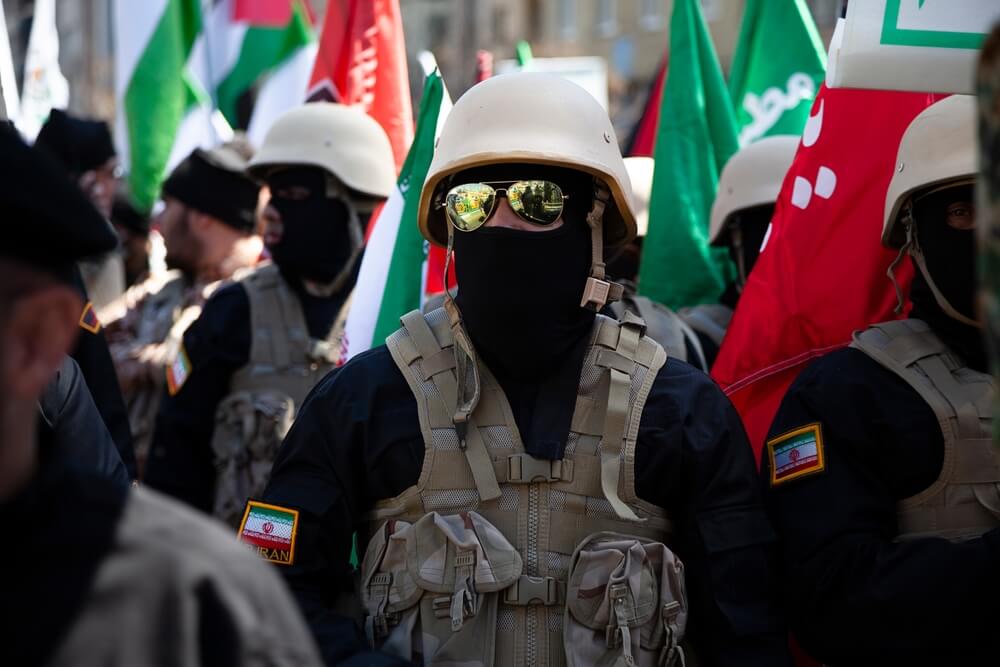
Since late December, Iran has seen a surge in nationwide protests, with human rights groups reporting at least 45 demonstrators killed by security forces. The unrest, originally sparked by economic hardship, has now escalated into a broader challenge to the Islamic Republic’s leadership.
Streets Erupt Amid Communications Blackout
On Thursday night, residents of Tehran and other cities responded to a call from exiled crown prince Reza Pahlavi for mass demonstrations. Witnesses described chanting from both balconies and streets, with slogans including “Death to the dictator!” and “Death to the Islamic Republic!” Some also shouted support for the former monarchy, exclaiming: “This is the last battle! Pahlavi will return!”
Almost immediately after the protests began, internet and phone lines across Iran were cut off. Reports from Cloudflare and NetBlocks indicate the outages were caused by government interference. Attempts to call Iran from abroad, including Dubai, were unsuccessful. In the past, such communication blackouts have preceded harsh crackdowns by Iranian authorities.
Rising Death Toll and Detentions
The demonstrations have spread beyond the capital, with markets and bazaars shutting in solidarity. According to the US-based Human Rights Activists News Agency, at least 39 people have been killed and over 2,260 detained during the unrest.
The protests place increasing pressure on both the civilian government and Supreme Leader Ayatollah Ali Khamenei. Despite their intensity, the movement remains largely leaderless, raising questions about its long-term cohesion. Nate Swanson of the Atlantic Council notes that the lack of a clear alternative leadership has historically hampered Iranian protests. Many potential leaders have been arrested, exiled, or silenced, leaving the public without a widely recognized figurehead.
Global Reactions and Uncertain Future
International attention is growing. US President Donald Trump warned that any violent suppression of peaceful protesters would provoke American intervention, while the Iranian Foreign Ministry dismissed the warning as “hypocritical.” Meanwhile, European Parliament President Roberta Metsola praised the courage of Iranians, stating that the world sees and hears their fight for freedom and dignity.
Iranian authorities have yet to publicly acknowledge the scale of the demonstrations, though state-aligned media, like the Kayhan newspaper, have reported that drones may be used to monitor participants. With communication lines down and security forces on alert, the trajectory of Iran’s protests remains uncertain — and the stakes for both citizens and leadership continue to rise.
