


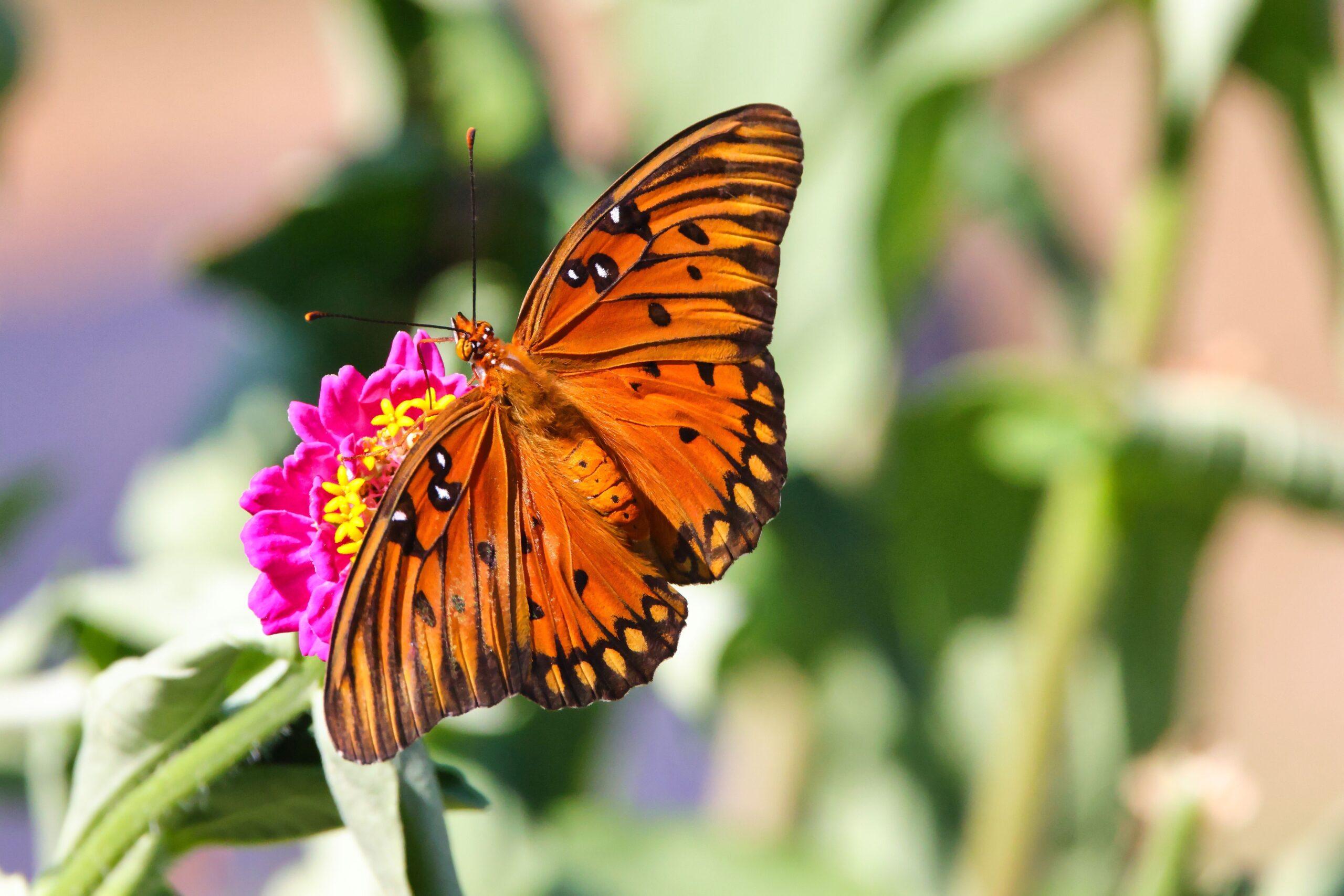
The rare Marsh Fritillary butterfly has had an excellent year in Northern Ireland, thanks to warm weather and long-term conservation work. Once widespread, the species declined sharply in the 20th century as farming practices changed and its key food plant, Devil’s-bit Scabious, became less common.
Butterfly Conservation, working with farmers to restore suitable habitats, has recorded major increases in caterpillar nests at managed sites. One location saw nest numbers jump from 24 to 53, another from 24 to 139, and a third from five to 27.
Conservation manager Rose Cremin said the boost shows that habitat restoration—not just good weather—is essential for long-term recovery. Volunteers survey the sites each autumn by counting the silken webs where caterpillars cluster and feed.
The Marsh Fritillary produces only one brood each year, making it highly vulnerable to changes in habitat. Although the species has lost 43% of its range since the 1980s, this year’s results show that careful land management can help reverse the decline.
