


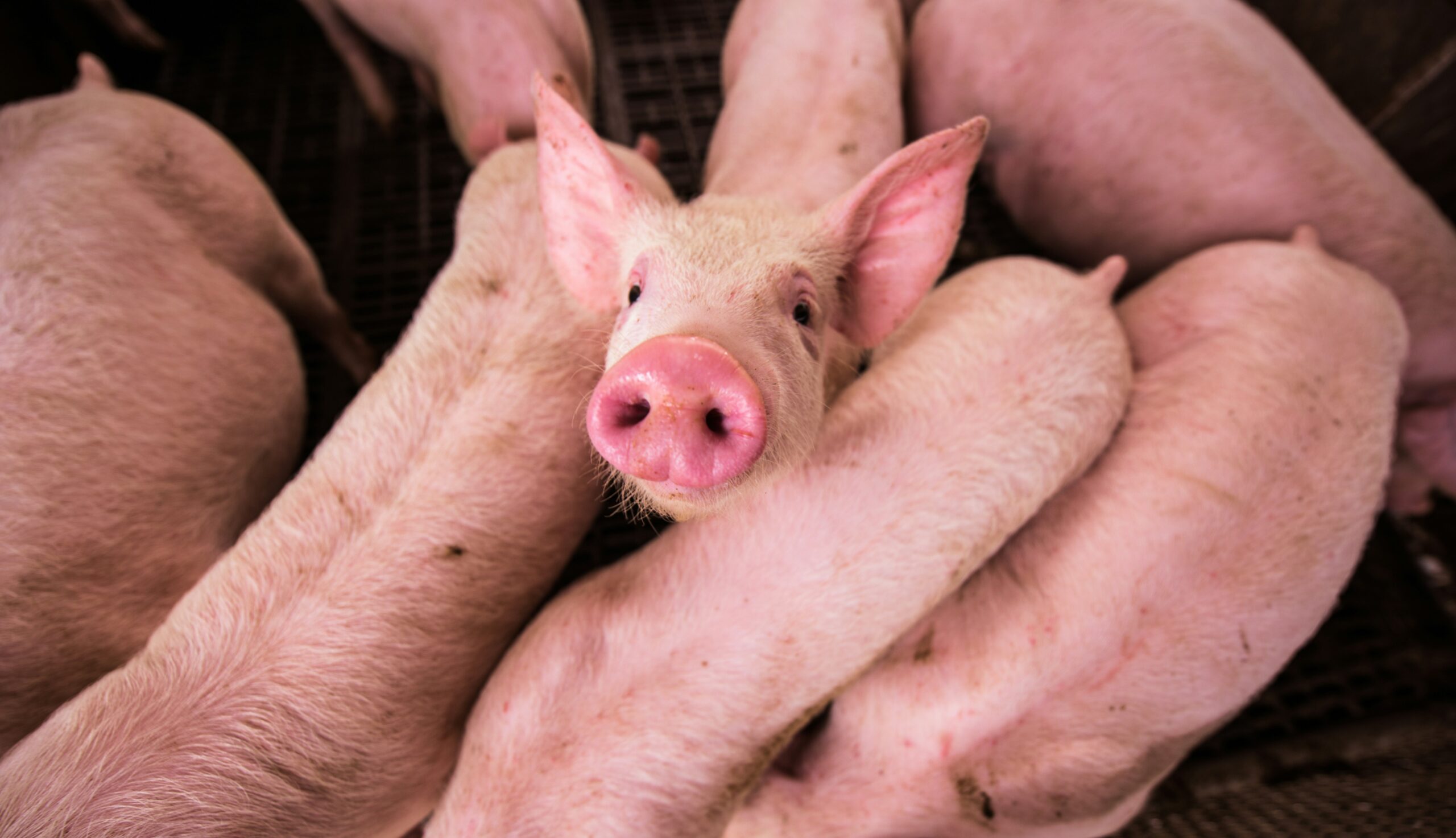
For the first time, surgeons in China have successfully transplanted a genetically modified pig lung into a brain-dead human recipient, with the organ functioning for nine days. The breakthrough, published in Nature Medicine, marks another step forward in xenotransplantation, a field aiming to tackle the global shortage of donor organs. Currently, only around 10% of patients worldwide receive the transplants they need.
The lung came from a Chinese Bama Xiang pig engineered with six genetic modifications to reduce the risk of rejection. Implanted into a 39-year-old male recipient, the organ remained viable for 216 hours without triggering hyperacute rejection or infection. However, the lung showed fluid buildup and progressive damage, likely due to inflammation and antibody attacks, despite strong immunosuppression.
Challenges and Future Directions
Experts caution that while the results are promising, lung xenotransplantation faces unique challenges. Unlike other organs, lungs constantly interact with the external environment, making them especially vulnerable to infection and immune responses. “The immune system in the lung is very sensitive and very active, which poses extra challenges,” explained Professor Andrew Fisher of Newcastle University.
Researchers stress that this experiment is only an incremental step, with much refinement needed in genetic engineering, immunosuppressive therapies, and preservation techniques. In parallel, scientists are exploring other strategies, such as repairing human donor lungs deemed unsuitable for transplantation, or even growing humanized organs inside pigs or sheep.
While clinical use of pig lungs remains distant, the study highlights both the potential and complexity of xenotransplantation in addressing the organ shortage crisis.
