


Brussels May Act Independently of G7
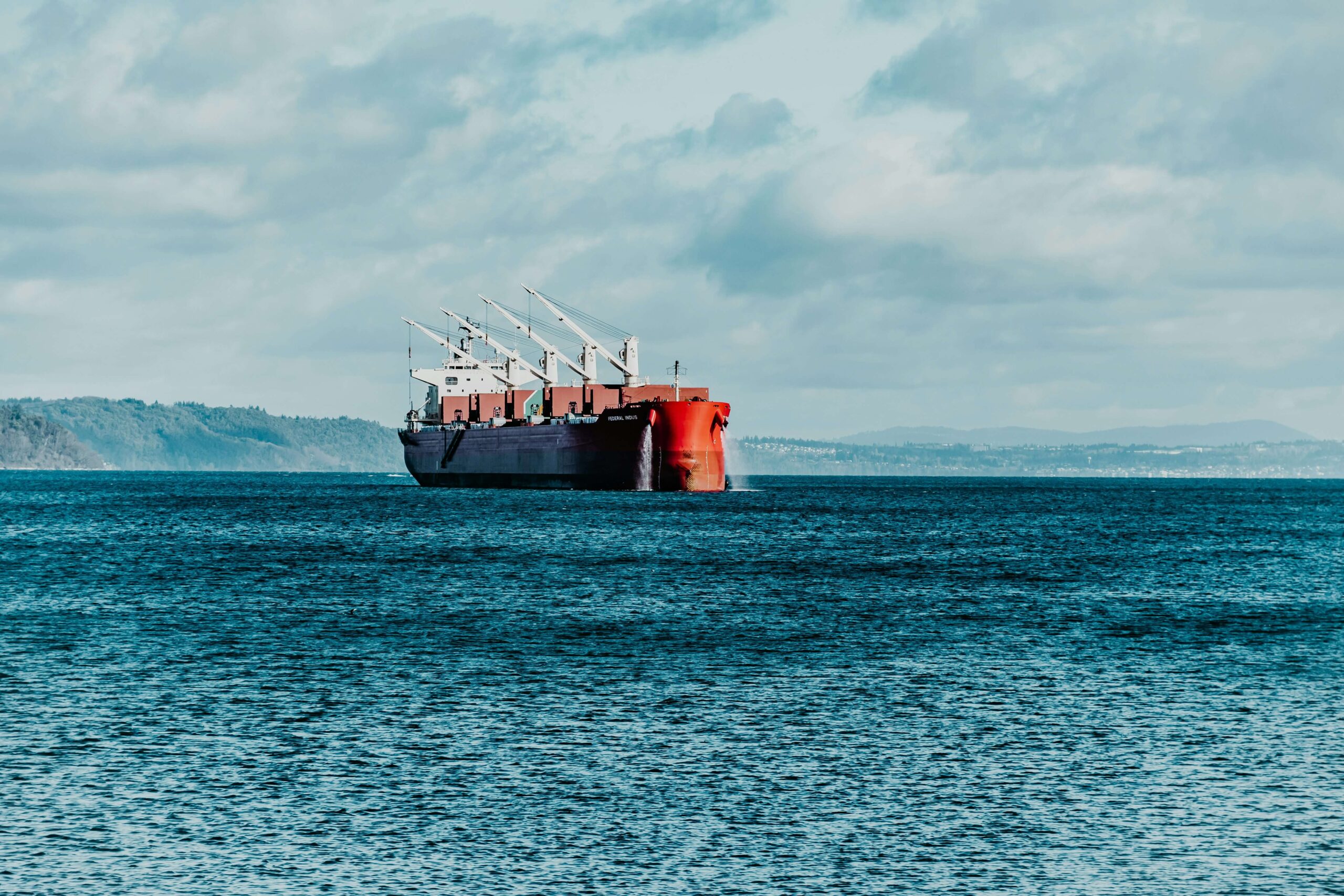
The European Union is prepared to move forward with a complete ban on maritime services for Russian oil tankers, even if G7 countries fail to reach a consensus. Valdis Dombrovskis said the EU prefers coordinated action but will not hesitate to implement the measure on its own.
The 20th sanctions package aims to be approved by 24 February, coinciding with the fourth anniversary of Russia’s full-scale invasion of Ukraine. If enacted, EU companies would be barred from servicing Russian tankers, effectively ending the G7’s oil price cap within EU jurisdiction, which currently stands at $44.10 per barrel.
Dombrovskis stressed that alignment with G7 partners is ideal, but not essential, signaling a shift from the Commission’s earlier stance that it would wait for G7 agreement before taking action.
Mixed Signals from Allies
It remains uncertain how many G7 members are willing to match the EU’s proposed measures and abandon the Russian oil price cap. United Kingdom, Canada, and Australia have confirmed awareness of the proposal and continue discussions. A UK Foreign Office spokesperson said they are closely coordinating with EU and G7 partners to maximize economic pressure on Russia.
United States and Japan have not responded publicly. Within the EU, Greece has expressed concerns that a unilateral ban could boost competitors in India and China, strengthen Russia’s “shadow fleet,” and encourage deflagging, where ships switch registry to bypass sanctions.
Kyrgyzstan and the Anti-Circumvention Tool
The sanctions package also includes the first activation of the EU’s Anti-Circumvention Tool, designed to block exports of sensitive machinery and radio equipment to countries at high risk of rerouting them to Russia. Kyrgyzstan has drawn particular scrutiny, given its customs union with Russia and a surge in EU trade—from €263 million in 2021 to €2.5 billion in 2024.
Much of this trade involves machinery and transport equipment, which Brussels fears could be repurposed for Russian military use in Ukraine. The Kyrgyz foreign ministry did not respond to requests for comment, while EU ambassadors continue negotiating the sanctions package to meet the February 24 deadline, though more time may be needed to reach a comprehensive deal.
