


Moscow Meeting Marks Crucial Step
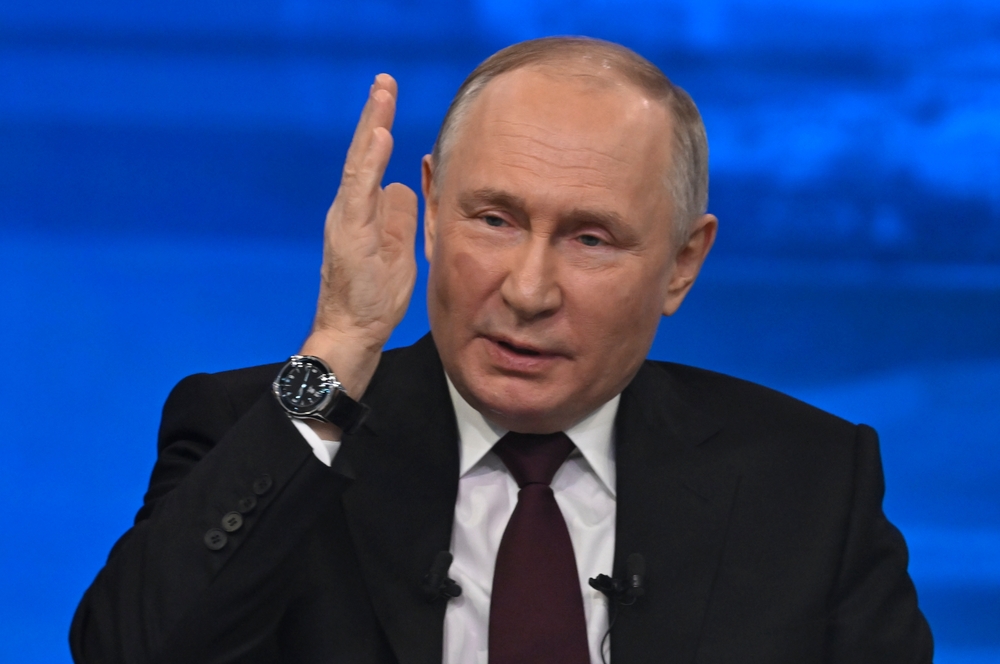
Russian President Vladimir Putin will meet US special envoy Steve Witkoff in Moscow on Tuesday. The White House says it feels very optimistic about advancing a deal to end the war in Ukraine. Jared Kushner, Donald Trump’s son-in-law and informal adviser, will also participate.
The meeting follows two days of negotiations in Florida between Ukrainian and US officials. Witkoff and Kushner refined a US-backed peace plan previously seen as favourable to Russia. Ukrainian President Volodymyr Zelensky called the talks constructive but warned that significant issues remain unresolved.
Kremlin spokesman Dmitry Peskov confirmed that Putin will meet Witkoff Tuesday afternoon. After meeting Emmanuel Macron in Paris, Zelensky said Ukraine’s sovereignty and strong security guarantees remain top priorities. He stressed that territorial concessions remain the toughest issue, as the Kremlin continues to demand Ukrainian land in the east. Kyiv rejects these demands outright.
Frontline Developments Add Pressure
The Moscow talks follow Russian claims of capturing Pokrovsk and the border town of Vovchansk. Ukrainian officials denied these reports. Open-source intelligence indicates neither town has been fully seized by Russian forces.
Andriy Kovalenko, head of Ukraine’s disinformation response centre, said Russia aims to place all pressure from the US peace plan onto Ukraine. Russia has sought Pokrovsk for almost a year and a half and released a video showing Putin visiting a command post, stating that Russia had made progress in a key area.
Before traveling to Moscow, Witkoff met UK Prime Minister Sir Keir Starmer, President Zelensky, and Ukraine’s chief negotiator Rustem Umerov. Several European leaders joined the Zelensky-Macron talks virtually. White House Press Secretary Karoline Leavitt said the draft peace plan had been heavily refined. She expressed optimism and hope that the war could soon end.
Putin said last week that he reviewed a US draft that could serve as a foundation for a future agreement. Kremlin officials later expressed doubts about accepting the plan after Kyiv and European partners secured modifications.
Peace Plan Faces Resistance
An earlier US-Russia draft from November alarmed Kyiv and Europe. It strongly favoured Russian demands and outlined how frozen Russian assets in Europe should be managed. It also set conditions for Ukraine’s access to European markets.
Macron said on Monday that no final peace plan exists and stressed that any agreement must involve Ukraine and Europe. He emphasized that Zelensky alone can decide on territorial issues and noted that European nations must be included in decisions regarding security guarantees, frozen assets, and Ukraine’s EU path.
He praised US efforts to end the conflict, which began with Russia’s 2014 annexation of Crimea and escalated with the 2022 invasion. EU foreign policy chief Kaja Kallas said this week could prove pivotal but warned that Russia wants to negotiate only with parties offering extra concessions. She noted that pressure often falls on the weaker side, as ending the war seems easier if Ukraine yields, which benefits no one.
Core Disputes Continue
Moscow has occasionally engaged with US mediation, yet several Russian demands violate Ukraine’s sovereignty and remain unacceptable to Kyiv. The territorial dispute remains the main obstacle. Security guarantees also generate friction. Ukraine and European partners want strong guarantees, including potential NATO membership, to prevent future attacks. Russia rejects this, and Donald Trump also opposes Ukraine joining the alliance.
