


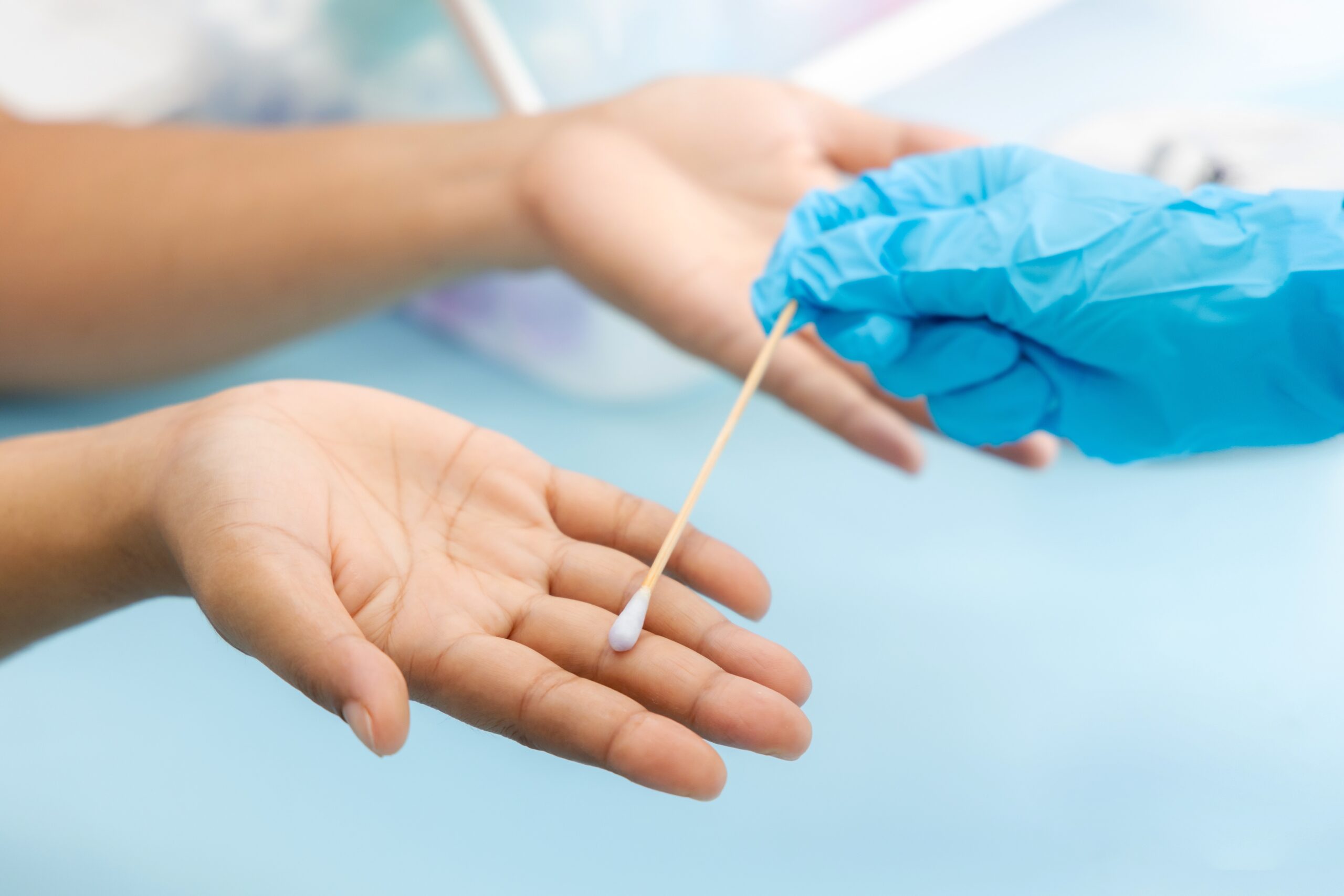
A simple two-minute cheek-swab test could help identify children at risk of a potentially fatal heart condition years before symptoms appear, according to new research presented at the European Society of Cardiology congress in Madrid.
Arrhythmogenic cardiomyopathy (ACM), a genetic disorder that disrupts the structure and electrical activity of the heart, accounts for more than 10% of sudden cardiac deaths in children. Often developing without warning, ACM can cause palpitations, fainting, breathlessness, and in severe cases, sudden death.
Scientists at Great Ormond Street Hospital and St George’s, University of London discovered that the same protein abnormalities found in the heart can also be detected in cheek cells. By trialling cheek swabs in 51 children with a known genetic risk of ACM, they found that the test identified abnormalities in eight out of ten who later developed the condition—sometimes as early as five years before conventional methods.
The research team also tested 21 children without a known genetic risk, finding five with abnormalities picked up by the swabs. Diagnoses were later confirmed with hospital scans and tests, suggesting the swab could serve as a vital early-warning tool.
Dr. Angeliki Asimaki, one of the study’s lead researchers, described the method as “a window into microscopic changes happening in the heart”, highlighting its risk-free, non-invasive nature. Work is now underway to create at-home swab kits that families can mail for analysis.
The British Heart Foundation, which funded the study, called the development a major step forward in protecting children from sudden cardiac death. Dr. Sonya Babu-Narayan, the foundation’s clinical director, emphasized that the test could help ensure children with ACM receive early monitoring and treatment while offering reassurance to families with normal results.
With one in 10,000 people in the UK estimated to have ACM, the research provides hope for earlier intervention and life-saving care.
