


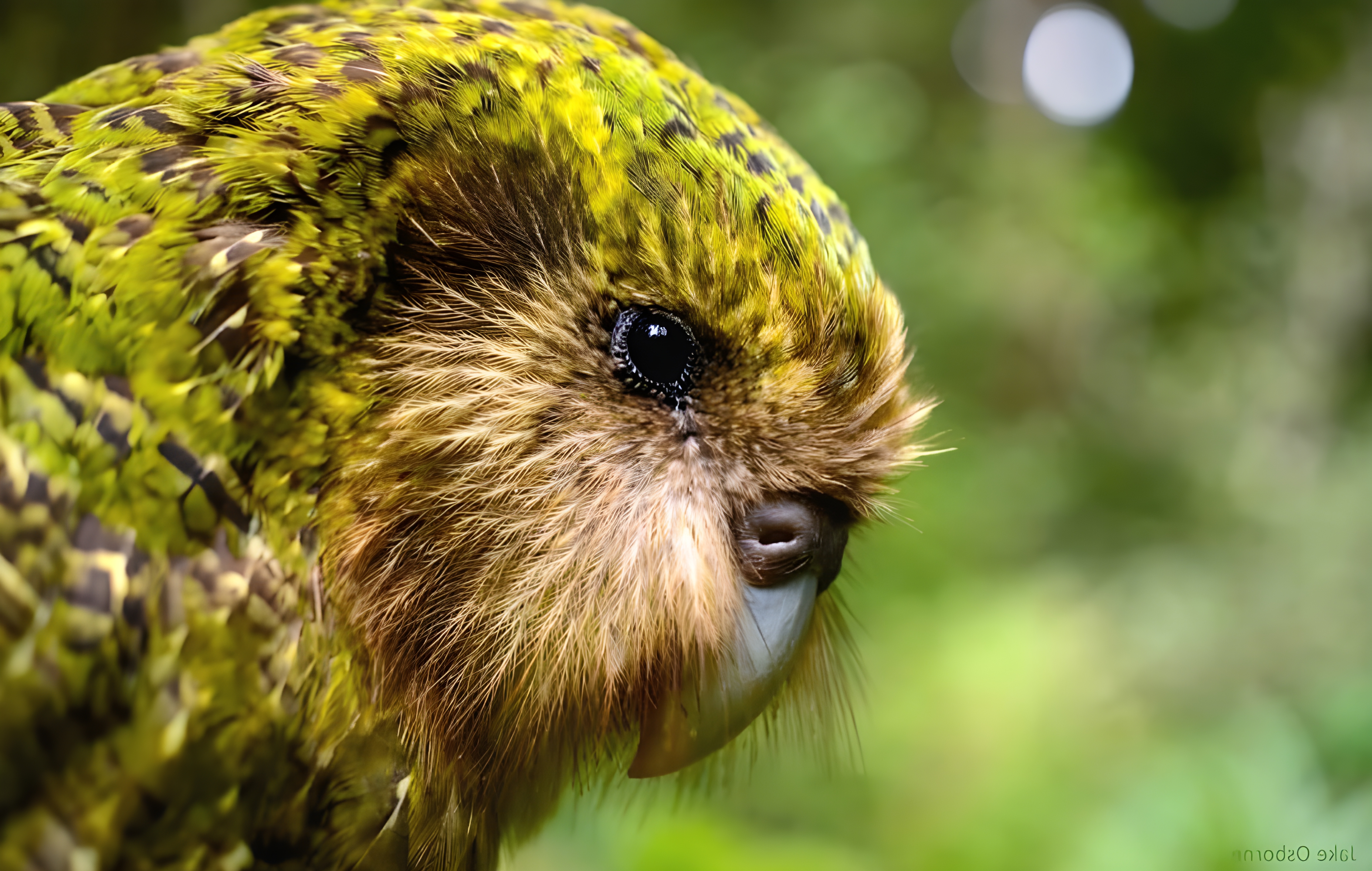
New Zealand is testing whether vaccines can shield its most endangered birds, including the kākāpō, the world’s fattest parrot, from the deadly H5N1 bird flu. While the virus has devastated wildlife globally, Oceania remains untouched—so far.
In a world-first trial, the Department of Conservation vaccinated 10 captive birds from five critically endangered species. Four developed strong antibody responses lasting at least six months. The goal is to protect captive breeding populations that are vital for restocking wild populations.
Conservationists warn vaccinating wild birds is impractical, but protecting core breeding flocks could prevent extinction if H5N1 arrives. Similar efforts have already seen over 200 California condors vaccinated in the US after a deadly outbreak.
Experts caution vaccines may drive viral evolution or lose effectiveness as strains change. Still, with fewer than 250 kākāpō left, even limited protection could be lifesaving.
As scientist Kate McInnes noted:
“If we start too soon, the protection may fade. If we start too late, we might miss the crucial moment.”
