


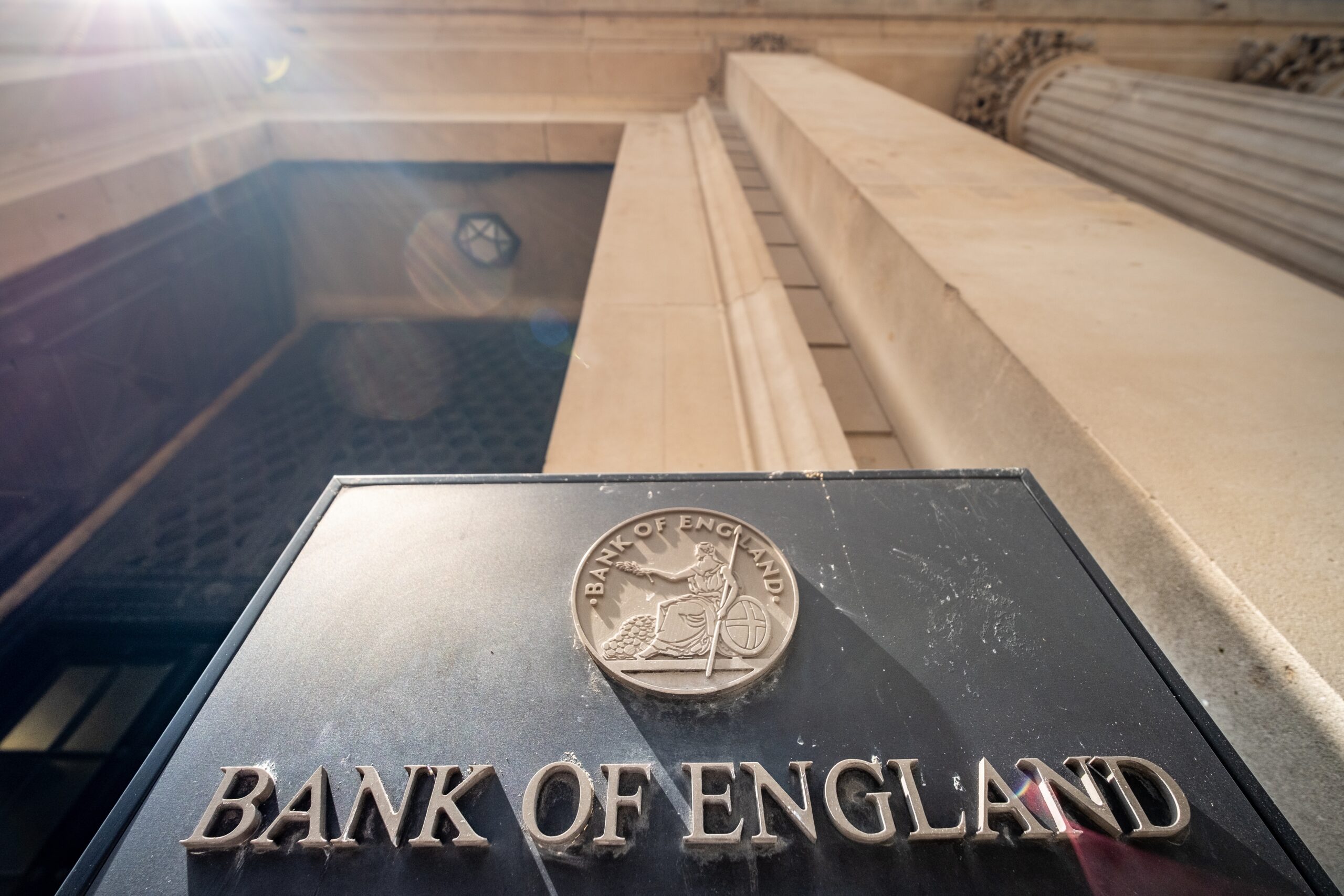
Former members of the Bank of England’s monetary policy committee (MPC) have called on governor Andrew Bailey to scale back or halt the central bank’s bond-selling programme, warning it is driving up government borrowing costs.
Britain’s long-term borrowing costs are now at their highest level in 27 years, piling pressure on chancellor Rachel Reeves ahead of her 26 November autumn budget. The Bank has attributed much of the rise to global factors, including Donald Trump’s trade war and his attacks on the US Federal Reserve, but admitted its £100bn of recent bond sales are also playing a role.
The Bank is expected to hold interest rates at 4% this week but may signal a slowdown in quantitative tightening (QT) — the process of unwinding its £895bn crisis-era bond purchases. So far, about £100bn has been sold or allowed to mature, but a portfolio of roughly £560bn remains.
Michael Saunders, a former MPC member, said: “The gilt market and bond market in general are weak and volatile. Current conditions are such that a higher pace of active sales might have an undesirable effect on pushing up yields further.” Another ex-member described maintaining the current pace as “completely tone deaf.”
City investors expect QT to be scaled back to about £70bn next year, though this would mean keeping active sales at present levels because fewer gilts are set to mature.
Sushil Wadhwani, who served on the MPC between 1999 and 2002, urged a halt to active sales altogether, saying the impact on 30-year bond yields was damaging confidence in the UK economy. The IPPR thinktank has estimated that such a move could save the Treasury more than £10bn annually.
However, Andrew Sentance, another former MPC member, warned that the Bank’s duty is to control inflation, not ease fiscal pressures, though he agreed a modest reduction in QT would be reasonable.
The debate comes as Reeves prepares for her autumn budget, with calls growing for tax rises on banks benefiting from windfall profits on reserves held at the Bank of England.
