


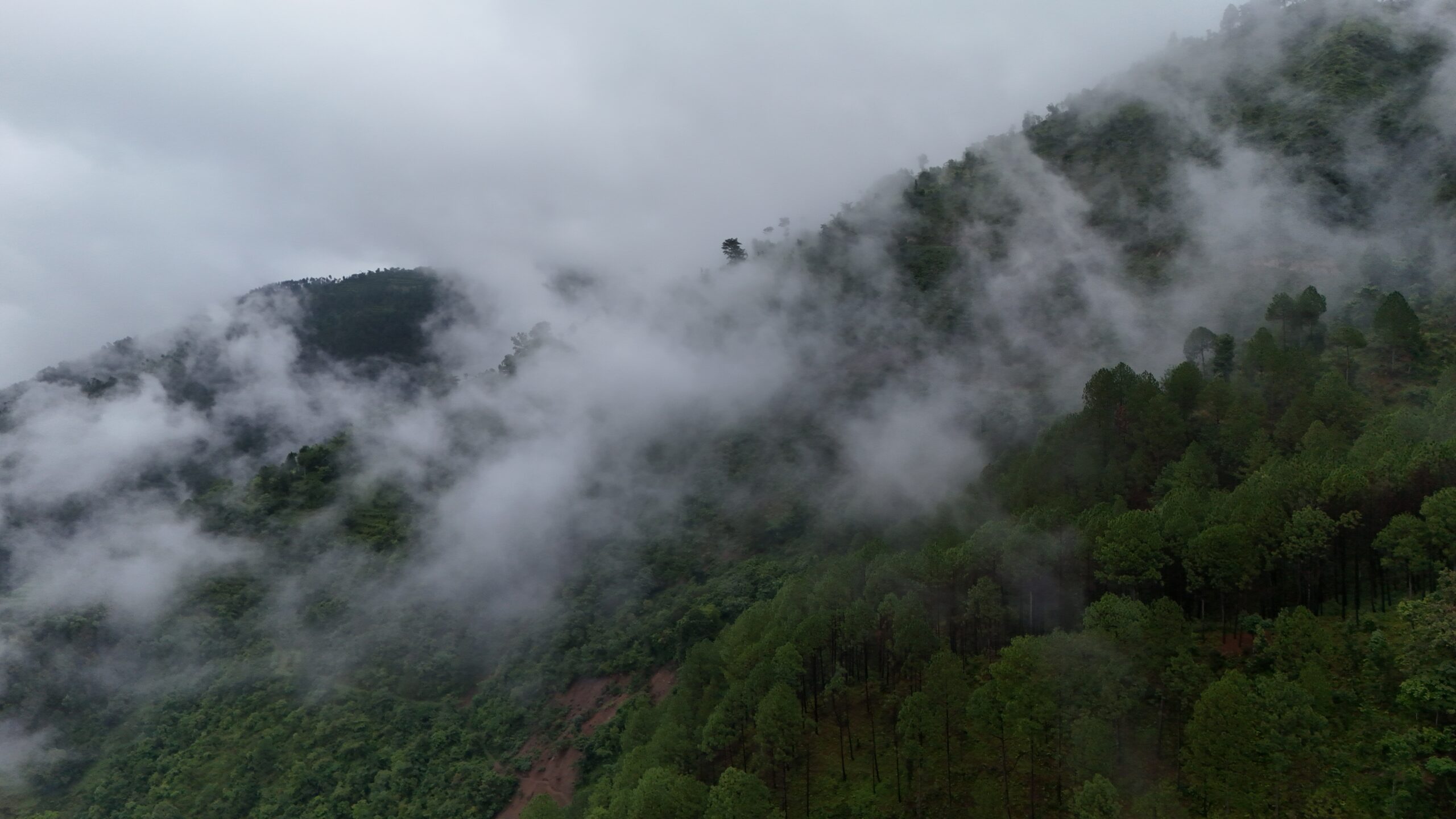
Far from the snowy peaks of the Himalayas and the busy streets of Kathmandu, Nepal’s Terai lowlands offer a quieter, deeply cultural side of the country. Here, dense jungles hold rare wildlife, national parks stretch across fertile plains, and villages like Bhada welcome travellers into the homes of the Tharu people — an Indigenous community for whom hospitality is a way of life.
Through Nepal’s Community Homestay Network, visitors stay with local families rather than in tourist hotels. In Bhada, guests cook traditional meals, learn local customs and join celebrations such as Auli — a vibrant post-harvest festival where drums echo across the fields, food is shared communally, and rituals give thanks for a successful rice season. One unique element of the ceremony is the preparation of barbecued field rat — believed to symbolically protect future crops — served with garlic, chilli and sticky rice.
During such gatherings, homemade chhyang (rice liquor or a sweeter blossom-based brew) flows freely, while songs, dancing and laughter fill the village. Visitors are not just observers, but participants — invited into the heart of Tharu tradition.
For many families, homestays have brought income and pride, helping preserve cultural heritage while supporting rural livelihoods. “We have a saying: Atithi devo bhava — the guest is god,” said homestay host Hariram Chaudhary. “People come to see our way of life, and we welcome them as family.”
In a region still largely unknown to global travellers, the Terai offers an experience built on connection — where nature, culture and generosity come together in a warm embrace.
