


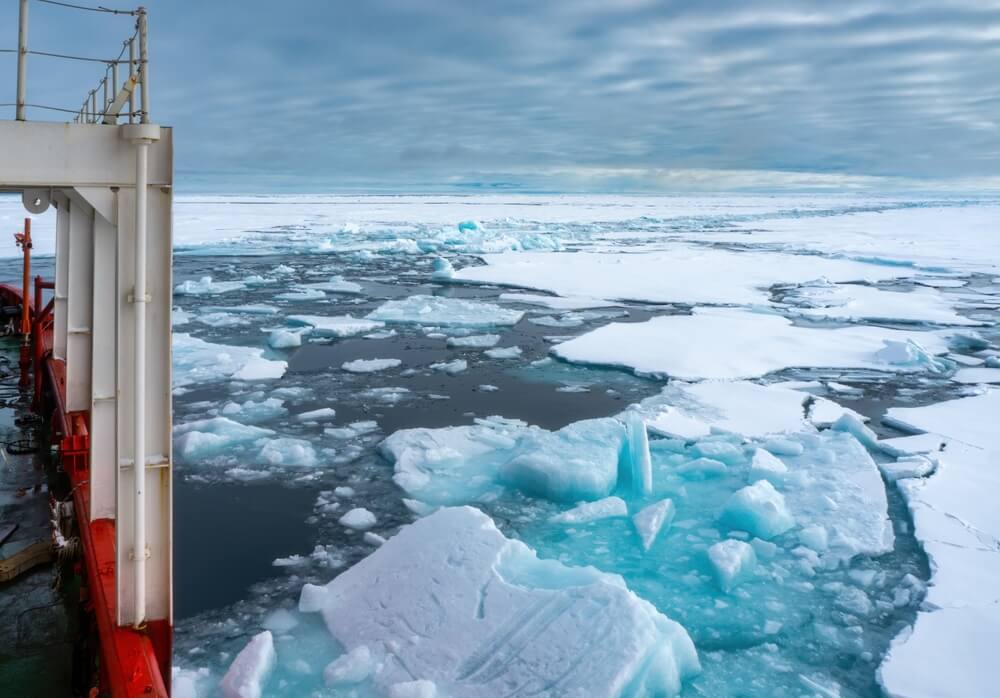
Melting Ice Sparks a Shipping Rush
As global temperatures rise, Arctic sea ice is disappearing faster than ever, opening shipping routes that were previously frozen year-round. This new accessibility has led to a surge of cargo ships, fishing vessels, and even cruise liners navigating the region. But this increase in traffic carries a hidden cost: black carbon, or soot, released from ship engines. When deposited on ice and snow, the dark particles absorb heat instead of reflecting sunlight, accelerating melting and amplifying warming across the Arctic.
“It creates a never-ending cycle of warming,” says Sian Prior, lead adviser for the Clean Arctic Alliance. “We need regulations on emissions, particularly black carbon, which is currently unregulated in the Arctic.”
Cleaner Fuel Proposals Face Political Hurdles
Countries including France, Germany, Denmark, and the Solomon Islands have urged the International Maritime Organization (IMO) to require ships north of the 60th parallel to switch to “polar fuels,” which are lighter and release less carbon pollution than traditional heavy fuels. A 2024 ban on heavy fuel oil has had limited effect, partly because waivers allow some vessels to continue using it until 2029.
However, geopolitics and economic interests are slowing progress. In recent years, political disputes over Greenland and US pushback on climate regulations have shifted attention away from Arctic pollution. Even within Arctic nations, internal conflicts—like Iceland’s fishing industry resisting stricter environmental rules—complicate enforcement of cleaner fuel policies.
Arctic Traffic and Pollution Are Rising Together
Between 2013 and 2023, ships traveling north of the 60th parallel increased by 37%, and the total distance sailed more than doubled. Black carbon emissions rose from roughly 2,700 tonnes in 2019 to over 3,300 tonnes in 2024, with fishing boats contributing the largest share. Environmental advocates argue that regulating fuels, rather than trying to limit shipping altogether, is the only realistic way to slow Arctic warming.
Even so, Arctic routes remain challenging: the Northern Sea Route is only navigable a few months a year and requires icebreakers. Some shipping companies, including the world’s largest container operator, have pledged to avoid it entirely for now. Still, the pressure to cut travel time between Asia and Europe continues to tempt others, leaving the Arctic’s fragile ecosystem at risk.
