


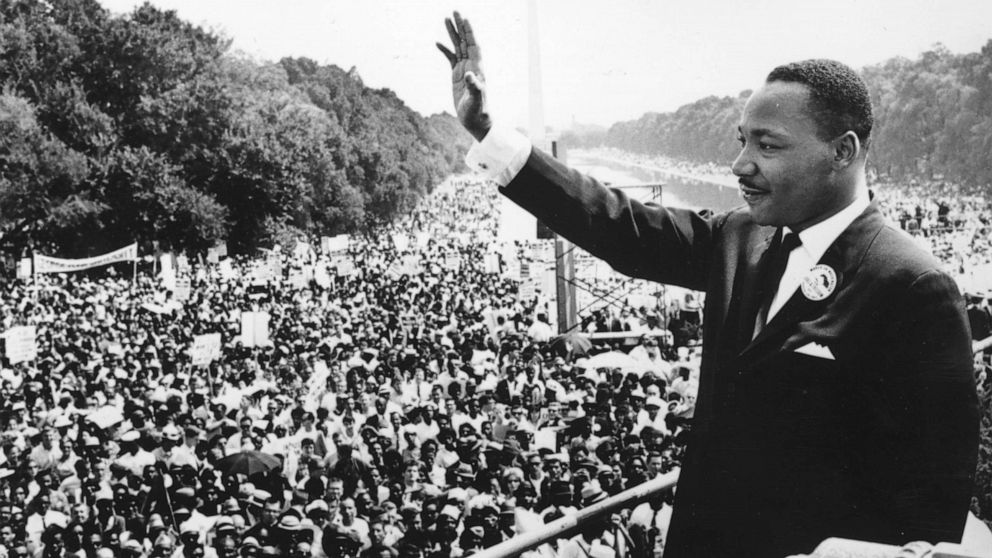
Communities across the United States celebrated Martin Luther King Jr. Day with events emphasizing unity, equality, and civic participation. Parades, rallies, and educational programs marked the occasion, highlighting Dr. King’s lifelong dedication to civil rights and social justice.
City officials and community leaders organized gatherings in schools, parks, and public spaces. These events included speeches, volunteer activities, and cultural performances designed to honor Dr. King’s vision of a fair and inclusive society. Participants reflected on the importance of equality and service.
Experts say MLK Day serves as both a remembrance and a call to action. By engaging in community activities, citizens reinforce the principles of justice, nonviolence, and civic responsibility. Many schools and organizations encouraged students and volunteers to participate in service projects, fostering a sense of shared purpose.
Parades in major cities featured local musicians, dancers, and activists, drawing crowds of all ages. Rallies included discussions on current civil rights issues, reminding participants that Dr. King’s message remains relevant today. Community members highlighted the ongoing need for social and economic equality.
Some communities organized volunteer initiatives alongside celebrations. Activities such as neighborhood cleanups, food drives, and mentoring programs allowed residents to give back while honoring Dr. King’s legacy. Experts say these projects help strengthen local connections and civic engagement.
Government leaders also took part in ceremonies, issuing statements recognizing Dr. King’s contributions and urging citizens to continue working toward equality. They emphasized that national observances are opportunities to reflect on progress and inspire further action.
Cultural programs, including art exhibits and storytelling events, were held to educate younger generations about civil rights history. Teachers and organizers stressed the importance of understanding Dr. King’s impact and the role of activism in shaping a just society.
Analysts note that the widespread participation in MLK Day events demonstrates the enduring influence of Dr. King’s work. By engaging in rallies, parades, and volunteerism, Americans strengthen community bonds and promote social responsibility. The day serves as a reminder that equality requires continued effort.
Local media covered the celebrations extensively, highlighting inspiring stories of service, unity, and leadership. Communities shared images of parades, speeches, and volunteer activities to encourage ongoing civic involvement. Many organizers hope these celebrations motivate citizens to pursue change beyond the holiday.
Faith-based groups also participated, hosting prayer services and discussion panels on nonviolence and social justice. These gatherings connected spiritual reflection with practical action, reinforcing the moral foundation of Dr. King’s teachings.
Observers said the celebrations reflected a mix of remembrance, education, and activism. By combining public events with volunteer projects, communities ensured that MLK Day remains both meaningful and action-oriented.
Experts believe that participating in MLK Day events can have a lasting impact. Engaging in service, learning about civil rights history, and promoting unity strengthens civic-mindedness and encourages younger generations to become active citizens.
The nationwide observances highlighted that while progress has been made, ongoing work is needed to address inequalities. Communities used the day to recommit to Dr. King’s vision of justice, inclusion, and equal opportunity for all.
By celebrating MLK Day through parades, rallies, and volunteer projects, Americans honored his legacy while promoting unity, equality, and civic engagement in their communities. The events serve as a reminder that each citizen can contribute to building a fairer and more inclusive society.
