


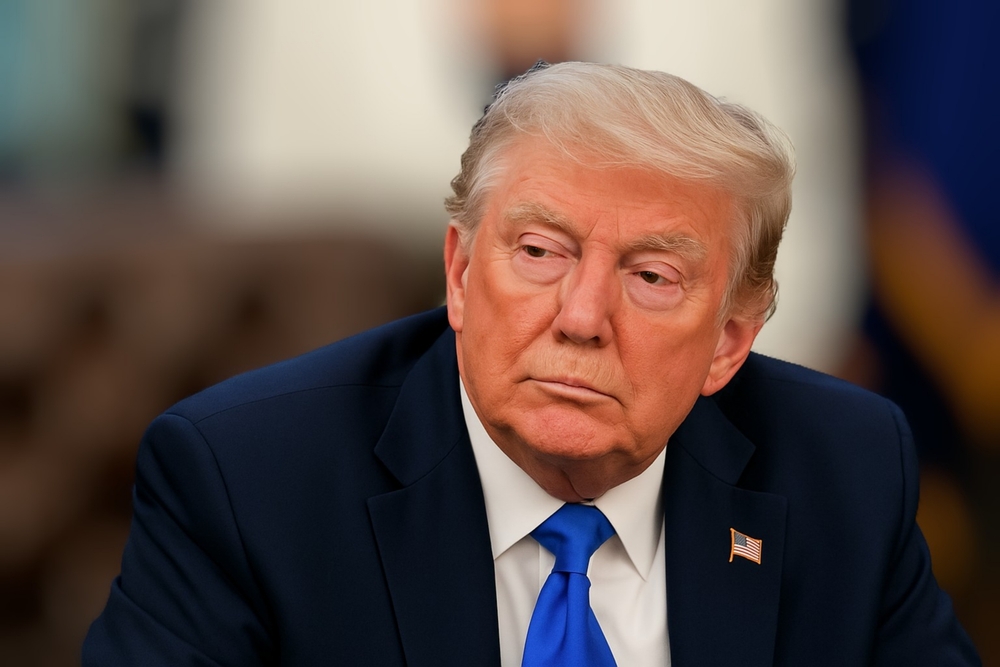
US President Donald Trump has filed a five-billion-dollar defamation lawsuit over an edited version of his January 2021 speech. He filed the case in Florida. He accused the UK public broadcaster of defamation and trade practices violations. Court documents outline the claims in detail.
The organisation apologised for the edit last month. It rejected demands for financial compensation. It also denied any legal basis for a defamation claim.
Trump’s legal team accused editors of deliberately altering his words. The lawsuit claimed the changes were malicious and deceptive. It argued the edit aimed to damage Trump’s reputation. The broadcaster has not yet responded to the lawsuit itself.
Lawsuit follows documentary broadcast before vote
Trump announced plans to sue last month after the documentary aired in the United Kingdom. The programme appeared before the 2024 US presidential election. It focused on events linked to 6 January 2021.
Trump told reporters he felt forced to take legal action. He accused the broadcaster of changing the words he spoke. He said the edit distorted his message to viewers.
Disputed edit lies at heart of case
Trump delivered the speech on 6 January 2021. He spoke before unrest later erupted at the US Capitol. He told supporters they would walk to the Capitol together. He said they would cheer on senators and members of Congress.
More than fifty minutes later, Trump used the phrase “we fight like hell”. He said it during a different part of the speech.
The documentary combined those remarks into one clip. The edit showed Trump linking the walk to the Capitol with fighting language. Trump argued the sequence falsely suggested he encouraged violence.
Admission of mistake sparks internal fallout
The broadcaster later admitted the edit created a mistaken impression. It said the clip implied a direct call for violent action. It still rejected claims of defamation.
In November, a leaked internal memo criticised the handling of the speech. The document raised serious editorial concerns.
The controversy led to major resignations. Director general Tim Davie stepped down. Head of news Deborah Turness also resigned.
Defence arguments and distribution dispute
Before Trump filed suit, lawyers for the broadcaster issued a detailed response. They denied any malicious intent behind the edit. They argued the programme caused no harm. They noted Trump later won re-election.
The lawyers also addressed distribution issues. They said the organisation did not distribute the documentary in the United States. They said it never aired on US channels.
They added the programme was restricted to UK viewers. Access was limited to a domestic streaming platform.
Access claims and political backlash
Trump’s lawsuit challenged those claims. It cited agreements with external distributors. It referenced a deal with a third-party media company. The company allegedly held rights outside the UK. Neither party has responded publicly.
The lawsuit also claimed Florida residents may have accessed the programme. It cited VPN use and the streaming service BritBox. It pointed to increased VPN usage after the broadcast.
Liberal Democrat leader Sir Ed Davey criticised Trump’s legal action. He urged the prime minister to intervene. He said Keir Starmer must defend the public broadcaster. He warned licence fee payers could face financial risk.
