


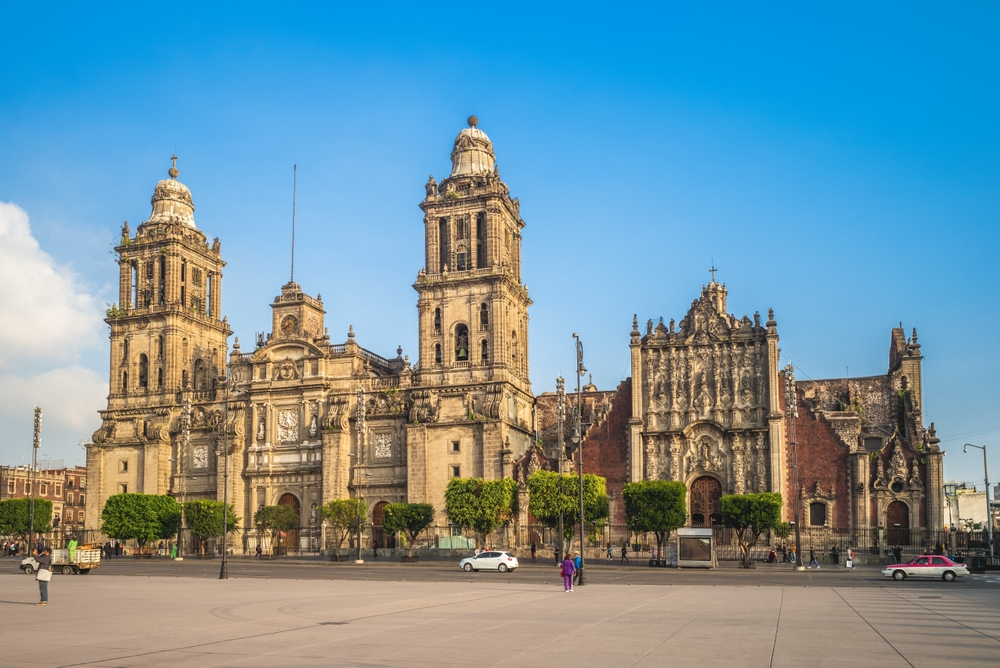
Thousands of young people marched through Mexico City on Saturday, demanding action against government corruption and escalating violence. Demonstrators reached the Zócalo, where clashes injured 20 civilians and more than 100 police officers, with about 20 people arrested.
Generation Z activists organized simultaneous protests in 52 cities across Mexico and in countries including the United States, Canada, Germany, and the Netherlands. What began as a peaceful march at the Angel of Independence escalated into confrontations as frustrations boiled over.
The movement emerged after the 1 November assassination of Uruapan mayor Carlos Manzo, who had repeatedly called on federal authorities to confront organized crime in Michoacán. His death became a rallying point for young Mexicans, who describe the government as corrupt, violent, and unresponsive to citizens’ demands.
Students, workers, villagers, opposition members, and independent citizens joined the march, united in their demand for accountability and reforms. Mexico City Security Secretary Pablo Vázquez confirmed injuries and arrests, emphasizing ongoing investigations into criminal acts during the protest.
From Peaceful Demonstration to Violent Showdown
The march remained calm until protesters arrived at the National Palace. Members of the “black bloc” broke through demonstrators and attacked barricades with hammers and stones, prompting police to respond with tear gas and fire extinguishers.
Medical teams treated 60 police officers on-site and transported 40 to hospitals, with four requiring specialized care. Paramedics treated 20 civilians at the scene.
Authorities charged several participants with violent acts and processed others for administrative offenses. Officials continue reviewing evidence to identify individuals responsible for property damage and clashes.
President Claudia Sheinbaum called for continued peaceful protests and rejected violence. She emphasized that change requires civic engagement, not confrontation, though she downplayed participation, claiming “very few young people” joined, despite the visible crowds.
Generation Z Demands Transformational Change
Generation Z defines itself as civic, independent, and non-partisan, emphasizing its rejection of traditional politics. Their motto declares, “We are not left or right; we are the generation demanding respect and accountability.”
Before the march, the movement released a revised set of demands focused on creating a more transparent and equitable Mexico:
- Implement citizen-driven recall mechanisms with real consequences for public officials.
- Ensure independent elections for any interim or replacement leaders.
- Prohibit political parties from influencing recall or leadership decisions.
- Establish independent councils to oversee appointments in public institutions.
- Reform the judicial system to guarantee faster, fairer, and more transparent rulings.
- Introduce mandatory civic audits of public projects and budgets.
- Promote community-led public safety programs and reduce reliance on militarized policing.
- Expand affordable housing programs and protect against forced displacement.
- Create vocational and educational initiatives for youth, including apprenticeships and scholarships.
- Encourage civic participation by integrating respected community leaders into governance bodies.
- Increase environmental accountability in urban planning and development projects.
- Require public consultation on major policy decisions affecting local communities.
The Mexican protests reflect a global youth phenomenon. Similar movements have erupted in Nepal, Mongolia, Togo, Madagascar, Morocco, Paraguay, Peru, Bangladesh, and Indonesia, with young people using social media platforms like TikTok, Instagram, and X to mobilize.
Common grievances include dissatisfaction with governments, economic instability, rising inequality, corruption, and limited opportunities. In some countries, youth-led actions have toppled governments. In Mexico, Generation Z is calling for a profound transformation of governance, demanding a system built on accountability, transparency, and citizen empowerment.
