


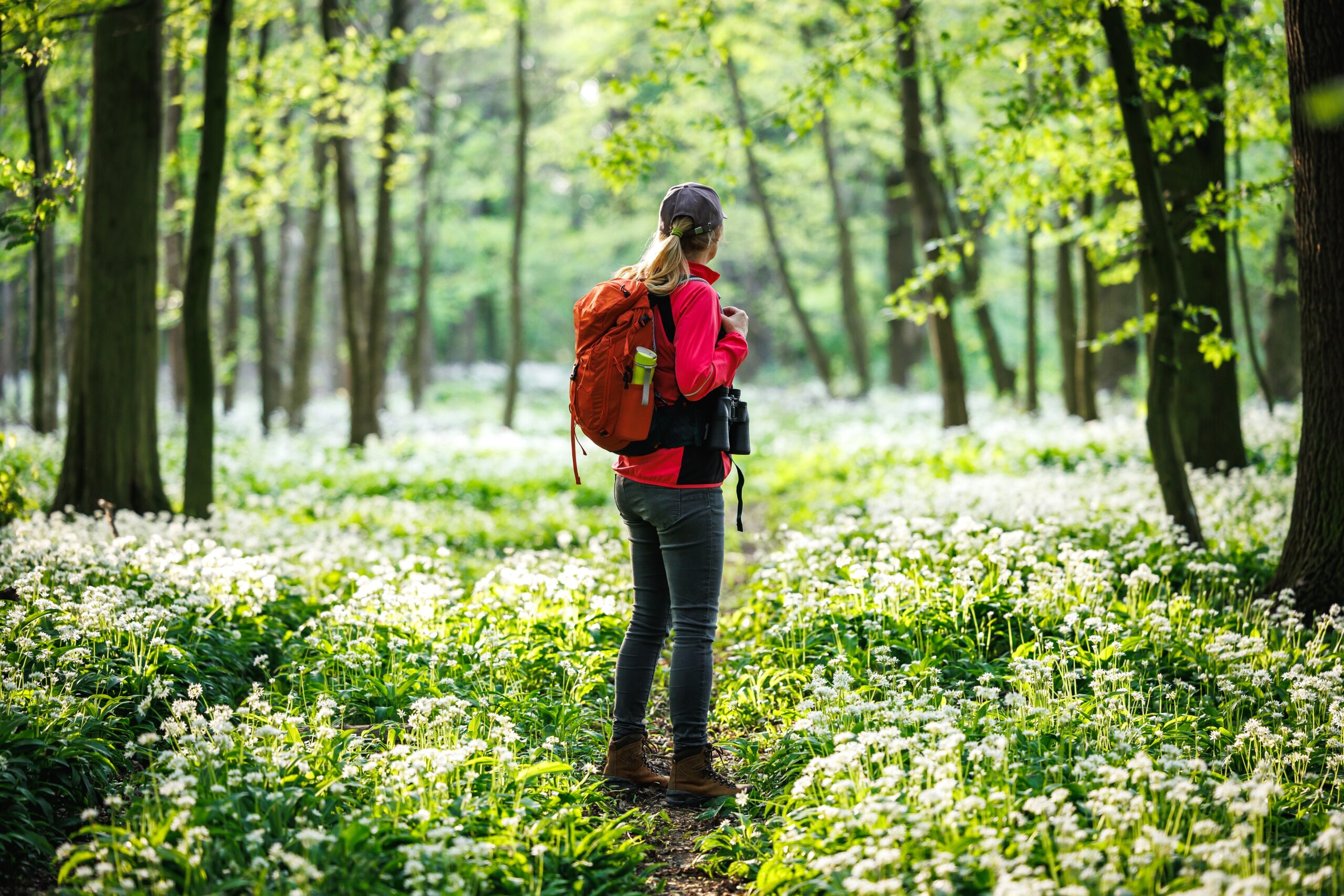
Britain is one of the least “nature-connected” countries in the world, ranking 55th out of 61 nations in a major new global study examining how people relate to the natural world.
The research, published in Ambio, surveyed 57,000 people and found that Nepal is the most nature-connected nation, followed by Iran, South Africa, Bangladesh, and Nigeria. At the bottom of the list were Spain, Japan, Israel, Germany, and Canada.
The study, led by Professor Miles Richardson of the University of Derby, found that societies with high levels of spirituality or religious belief tended to have stronger emotional bonds with nature. In contrast, more industrialised and business-oriented countries—those with high urbanisation, income, and internet use—showed weaker connections.
“Nature connectedness is not just about what we do, but how we feel and value our place in the living world,” said Richardson. “We’ve become a more rational, economic, and scientific society, and while that has brought benefits, it’s distanced us from nature.”
The researchers suggested that fostering nature connection could involve incorporating natural environments into healthcare, recognising nature’s rights in law, and integrating biodiversity goals into business decisions.
Richardson added that urban societies in particular need to go beyond creating parks: “It’s not just about building green spaces – it’s about creating a sense of sacredness and respect for the natural world.”
