


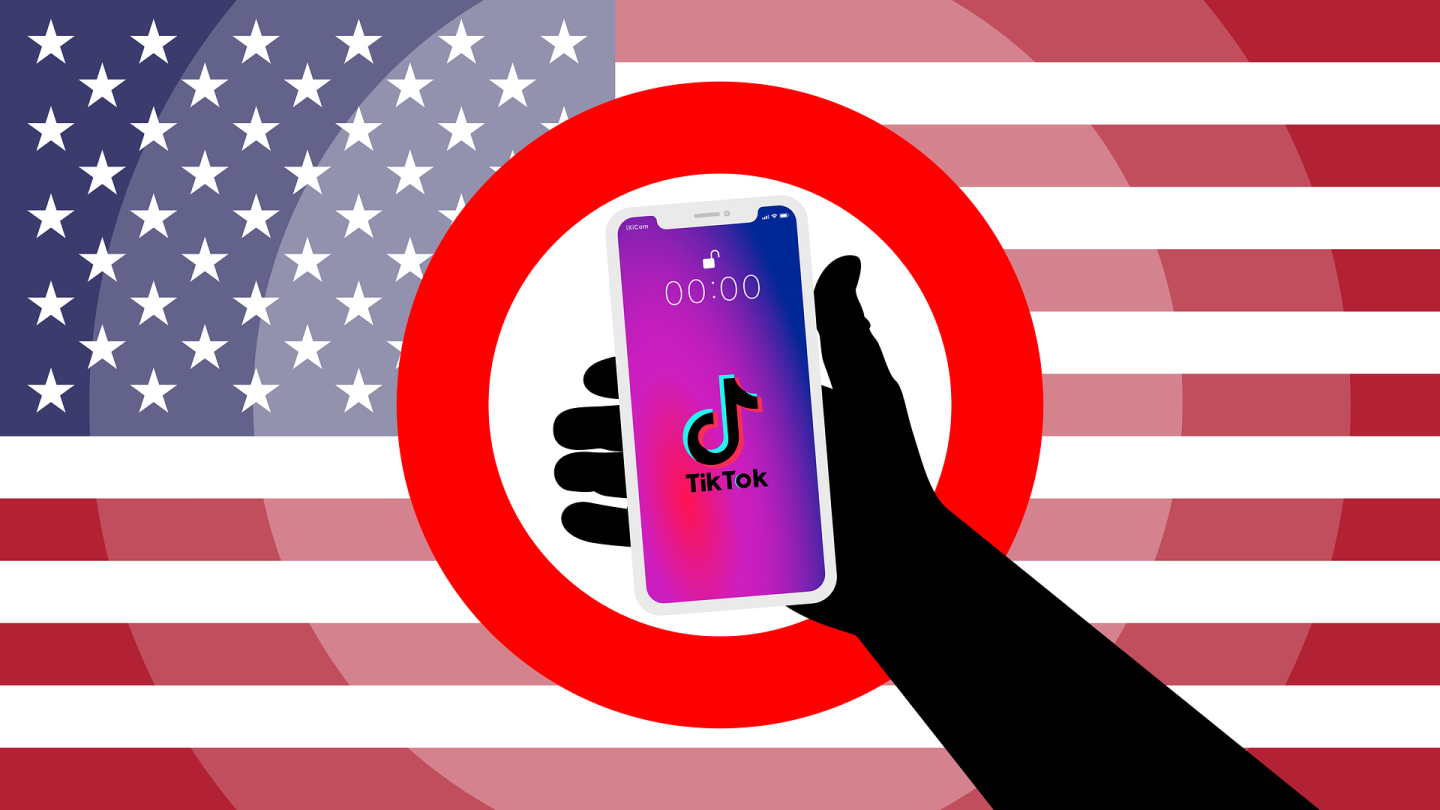
The U.S. government is considering a plan that could transfer TikTok’s ownership to American companies. The move aims to protect national security and tech sovereignty while potentially avoiding a full ban of the popular app.
Officials say the proposal would give U.S. firms control over TikTok’s operations, data management, and security protocols. Lawmakers and regulators have raised concerns that foreign ownership could expose American users’ data to outside influence. Transferring ownership to U.S.-based companies is seen as a way to address these concerns while keeping the app available to millions of users.
The proposal comes amid increasing scrutiny of technology and data privacy. Experts note that securing domestic control over widely used apps is part of a broader effort to safeguard critical digital infrastructure. Ensuring U.S. oversight may also reduce geopolitical risks and signal to international partners that the country is committed to protecting user data.
TikTok remains extremely popular, especially among younger users, and a ban could affect millions of Americans who rely on the platform for entertainment, communication, and business. By pursuing a transfer of ownership, officials aim to balance security concerns with public demand and economic interests.
Industry analysts say the plan could set a precedent for other foreign-owned apps and tech companies. If successful, it may encourage other nations to adopt similar measures to protect critical digital assets and maintain control over domestic technology markets.
The U.S. approach also reflects growing bipartisan concern over data security and foreign influence in technology. Both Democrats and Republicans have highlighted the importance of protecting sensitive information and ensuring that major platforms comply with domestic laws and regulations.
In addition to addressing security issues, a U.S. ownership plan could preserve TikTok’s business operations. Employees, content creators, and advertisers could continue using the app without disruption, supporting the broader digital economy. It also reinforces the message that American policymakers are seeking practical solutions rather than outright bans that could limit consumer choice.
As discussions continue, officials are evaluating the logistics of the transfer, including valuation, regulatory approval, and management of user data. Lawmakers are likely to monitor the plan closely, ensuring that it meets both national security standards and economic interests.
In summary, the U.S. is exploring transferring TikTok ownership to American companies to secure tech sovereignty and prevent a potential ban. The plan reflects growing attention to data security, user privacy, and the importance of domestic control over influential technology platforms. By pursuing this approach, policymakers aim to balance public access, business continuity, and national security concerns.
