


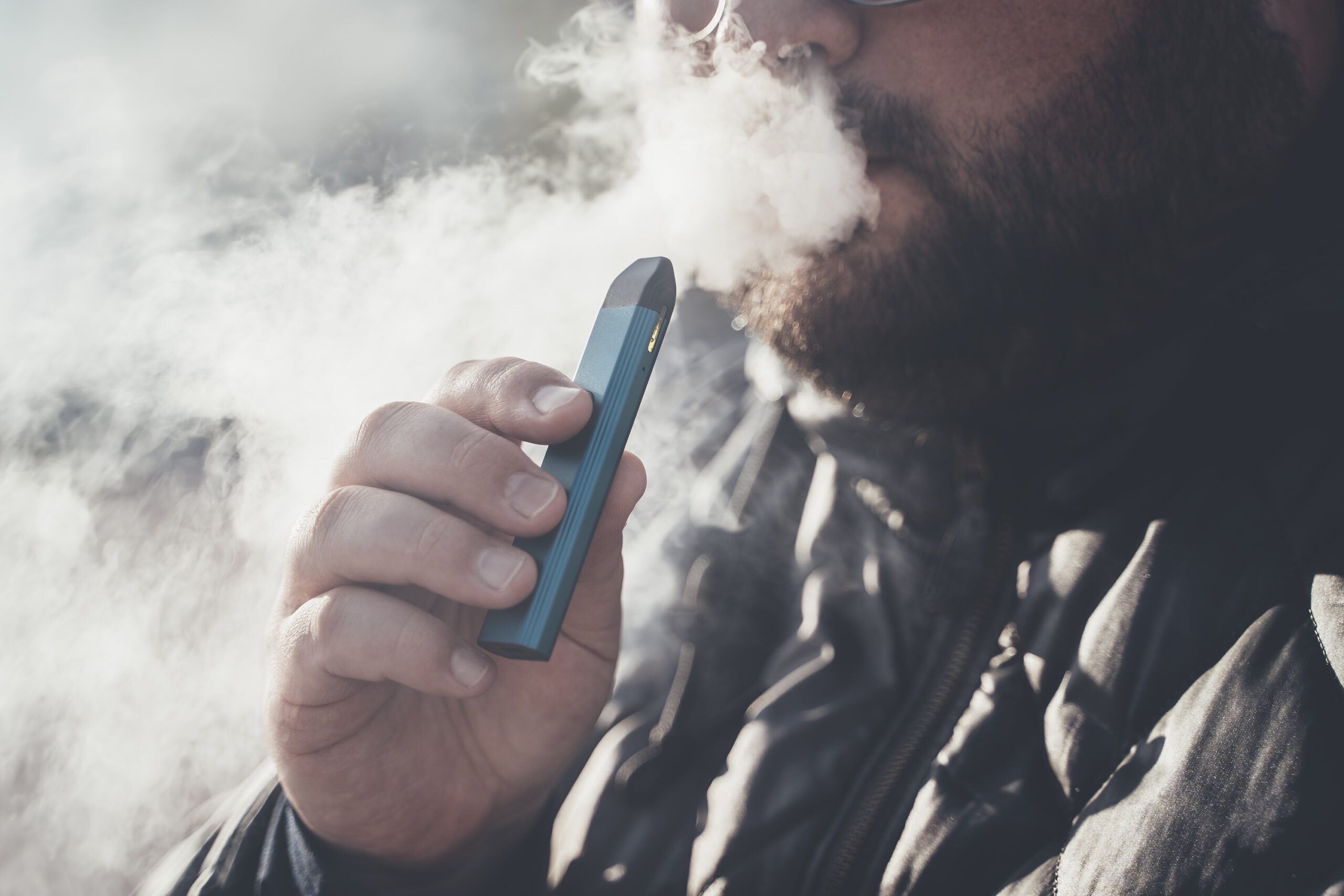
The Co-op has instructed staff to increase the promotion and visibility of vapes in its stores as part of a recovery effort following a costly cyber-attack that disrupted operations and slashed sales earlier this year.
An internal document titled “Powering Up: Focus Sprint – Cigs, Tobacco and Vape”, seen by The Guardian, outlines the retailer’s plan to regain about £1m in lost weekly sales and win back customers who switched to other shops after the April hack. The report notes that the company has lost 100,000 transactions per week, with many shoppers forming “new habits” elsewhere for cigarettes, tobacco, and vaping products.
The strategy includes installing new vape displays, expanding the product range, and introducing eye-catching advertising in high-traffic areas of more than 2,000 Co-op grocery stores.
While the plan complies with UK laws and government guidelines, some employees have voiced concerns that it contradicts the Co-op’s long-standing reputation as an ethical, socially responsible retailer.
“Before [the hack] even if I didn’t always enjoy work I respected the Co-op,” one staff member said. “This strategy goes against everything we’ve done until now. It feels like exploiting a health problem for profit.”
The move comes amid growing concern about youth vaping in the UK. Health authorities have warned that bright packaging and sweet flavours such as bubblegum and candy floss are attracting under-18s, even as vaping remains a recommended tool for adult smokers seeking to quit.
The government’s upcoming tobacco and vapes bill aims to restrict vape advertising, flavours, and packaging while banning sponsorships.
A Co-op spokesperson defended the retailer’s position, saying: “The sale of vape products in our stores is fully compliant with all UK legislation and government guidelines, in their recognised role as a successful route to smoking cessation. Our commitment to ethical values remains steadfast.”
The Co-op is still recovering financially from the cyber-attack, which forced it to shut down IT systems across its grocery and funeral divisions. The disruption caused over £200m in lost sales and is expected to cost £120m in full-year profits.
The new initiative is part of a broader “Power Up” programme designed to revive sales across all product categories as the retailer seeks to stabilise its finances and rebuild customer trust.
